Keresztúri Guesthouse
Ideal for both longer and shorter stays for families, small business groups, friend groups. The guesthouse can be reached through a calm, quiet inner garden, and it is guaranteed to be safe, child friendly, and accessible.
According to tradition, the hill got its name from the fact that once upon a time, disobedient serfs were hauled to the ground on this hill.
Built in 1782, this magnificent church has an altarpiece that is a copy of the icon of Máriapócs.
Try out quiz games and win a prize for completing any of Bodrog's games
View games






According to tradition, the hill got its name from the fact that once upon a time, disobedient serfs were hauled to the ground on this hill.
Built in 1782, this magnificent church has an altarpiece that is a copy of the icon of Máriapócs.
Try out quiz games and win a prize for completing any of Bodrog's games
View games
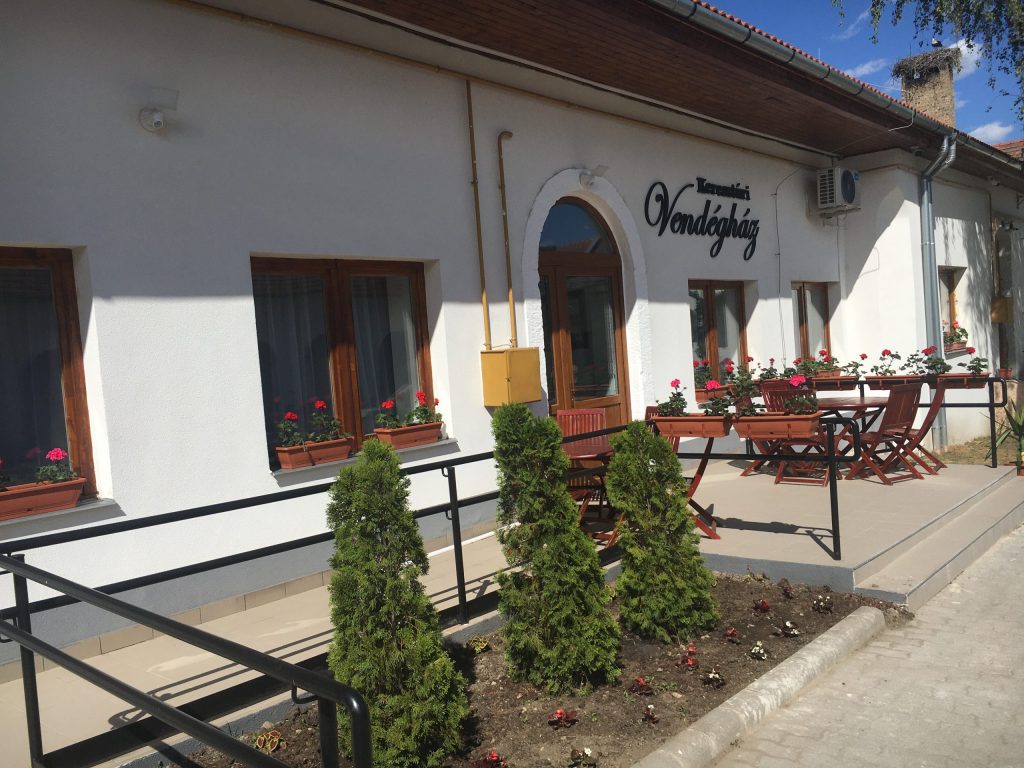
Ideal for both longer and shorter stays for families, small business groups, friend groups. The guesthouse can be reached through a calm, quiet inner garden, and it is guaranteed to be safe, child friendly, and accessible.
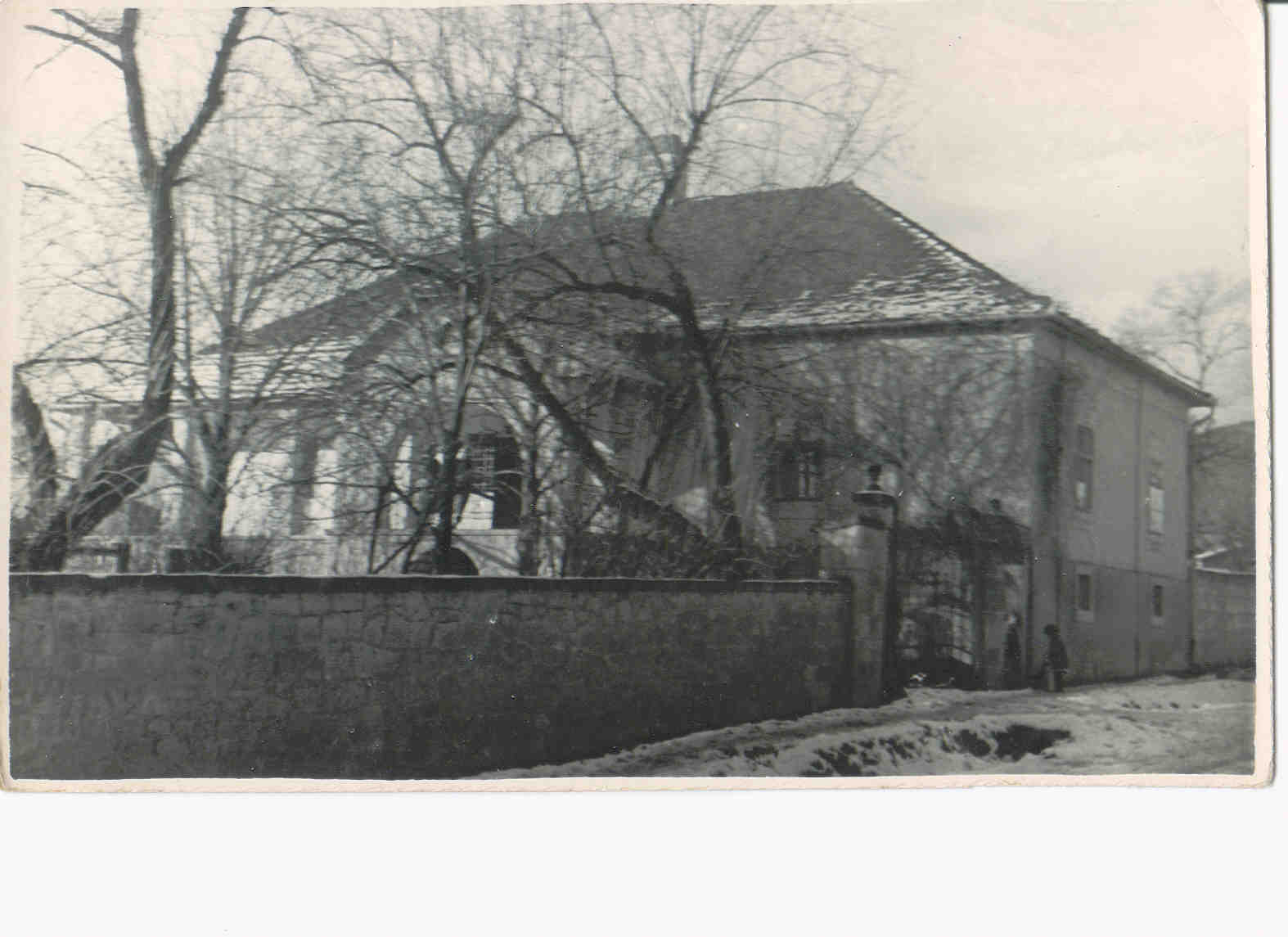
According to tradition, the house belonged to Imre Bezerédj, who was promoted to brigadier in 1706 by Ferenc Rákóczi II, but was executed for treason in 1708. Károly Dietz, who was captain of the Hungarian national football team from 1934 to 1939, also lived in this house in the 1950s.
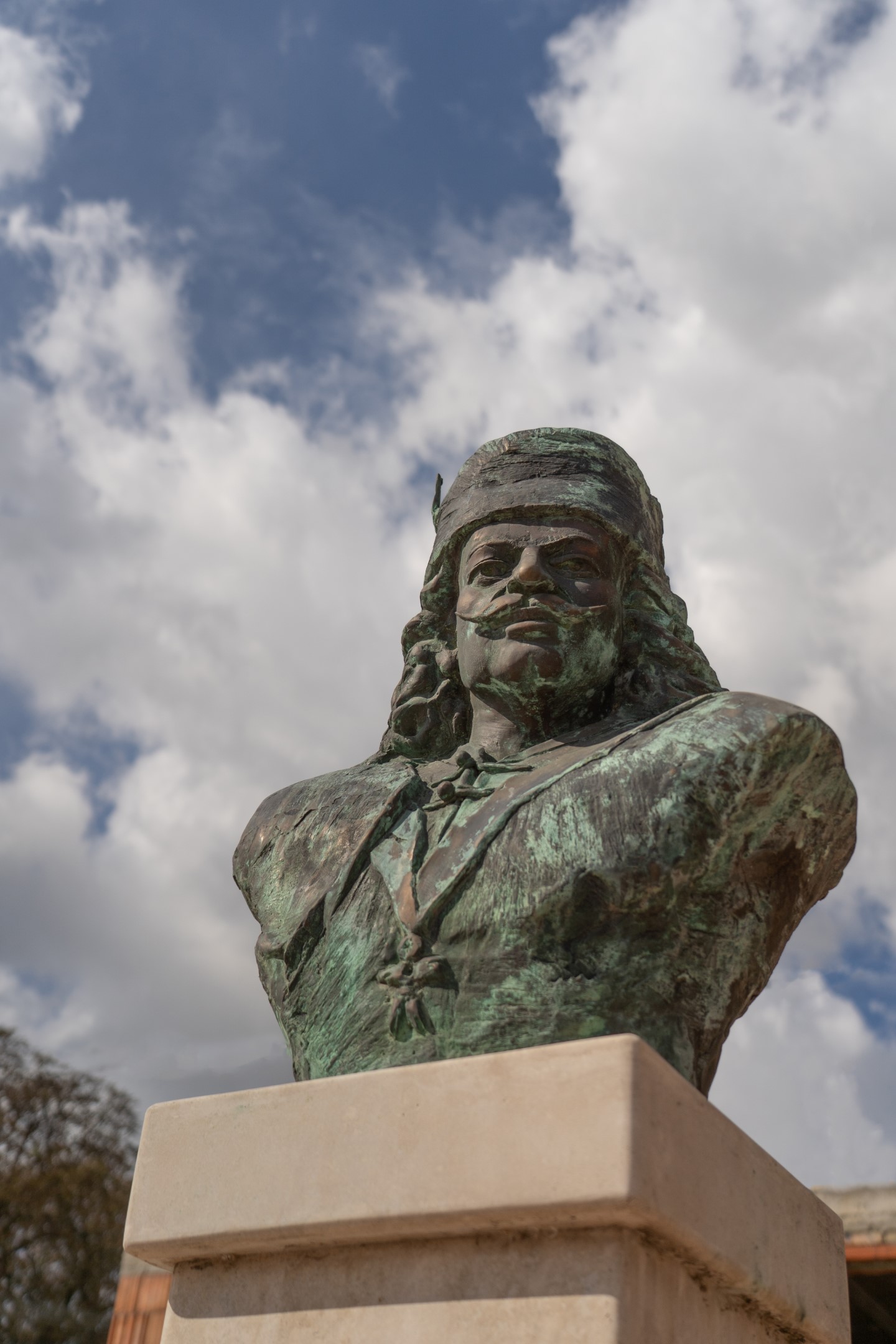
A life-size bust of Rákóczi, cast in bronze by sculptor Géza Balogh on the basis of a painting by Ádám Mányoki, can be seen in the centre of the village.
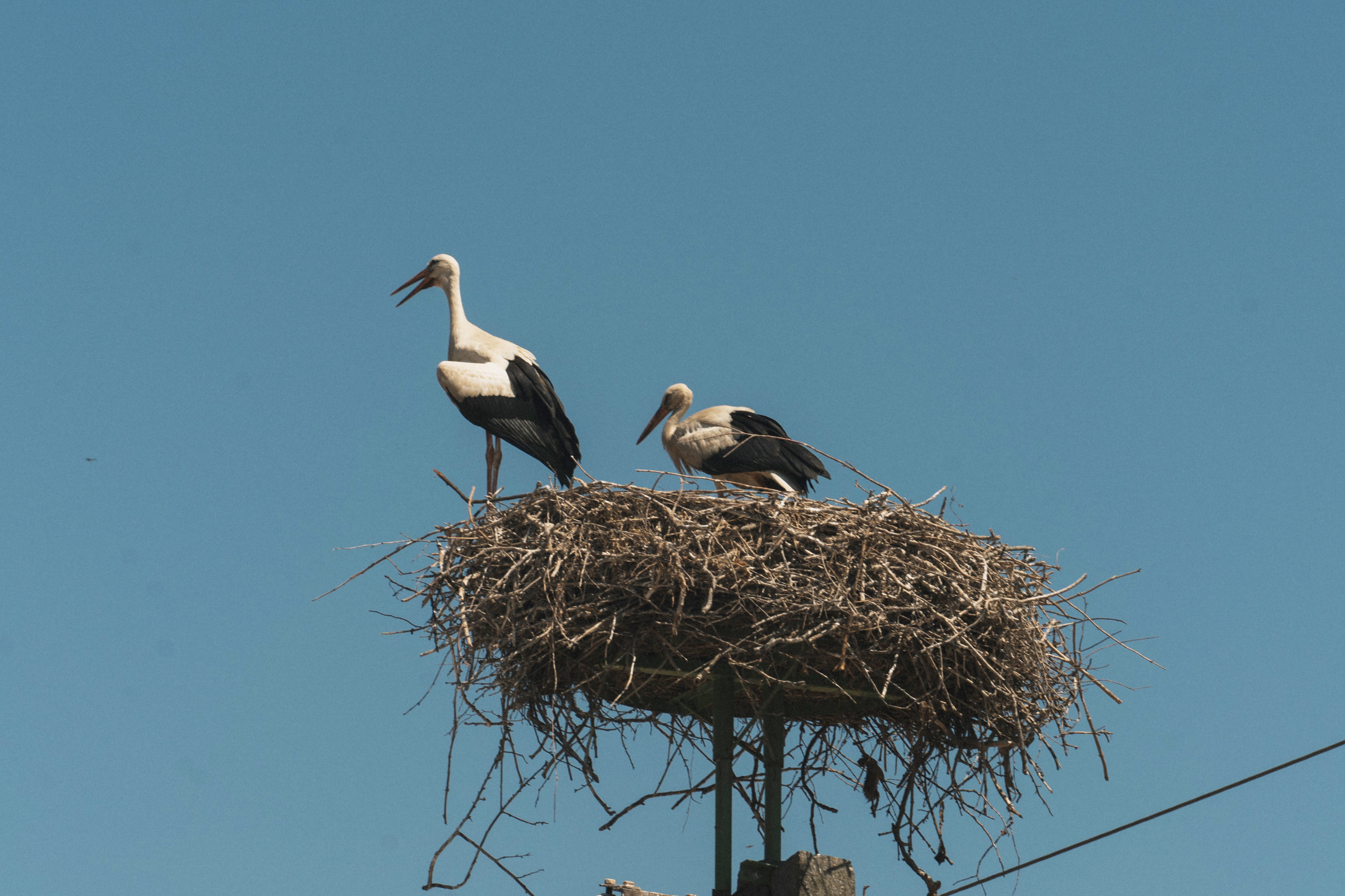
Bodrogkeresztúr has several stork nests. The town's most famous stork is Philip, who came from Spain and lived here for 12 years, never flying south in winter.
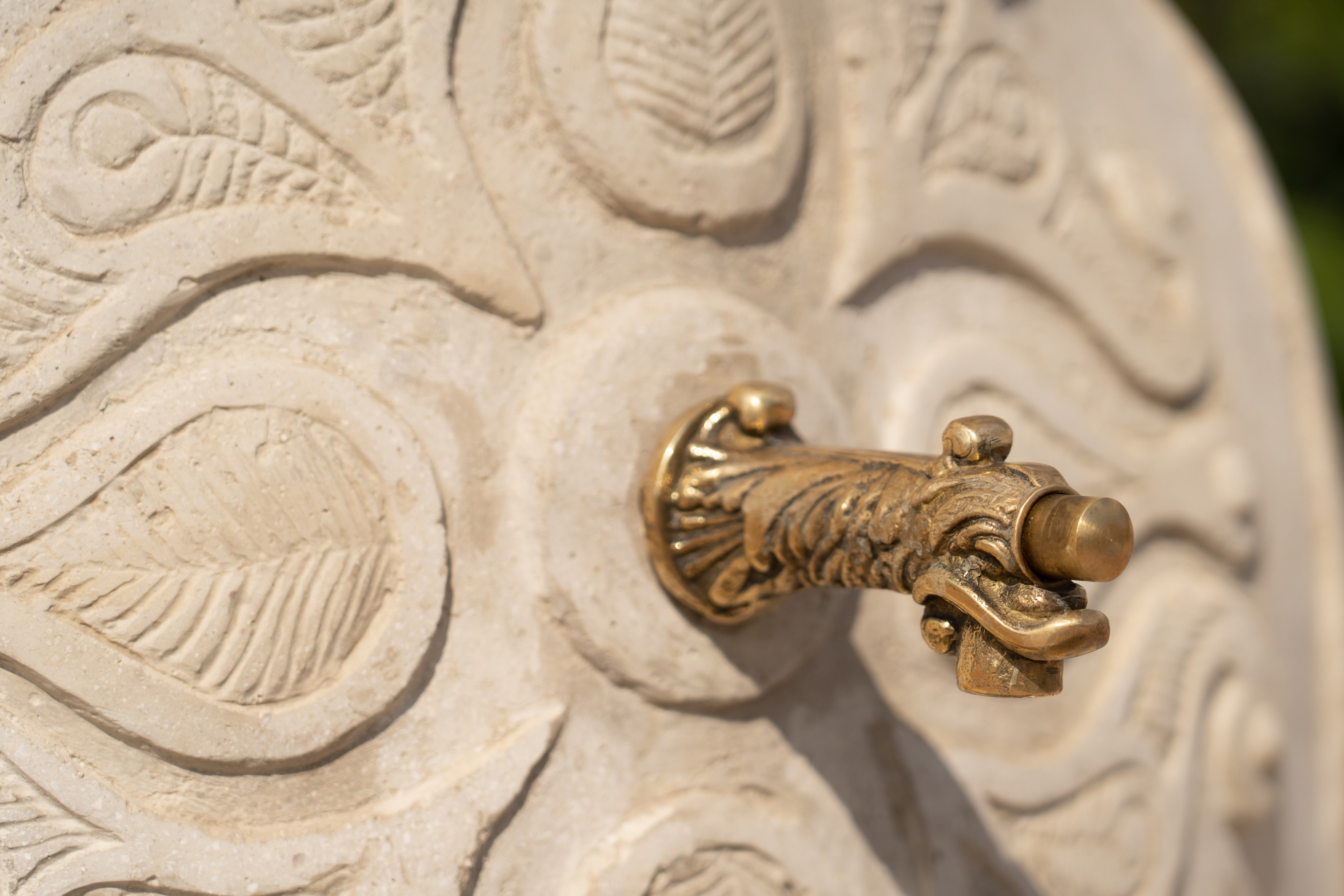
Just as the lion was considered the king of land animals and the eagle the king of birds, the griffin was considered a particularly powerful and majestic animal, the lord of all creatures.
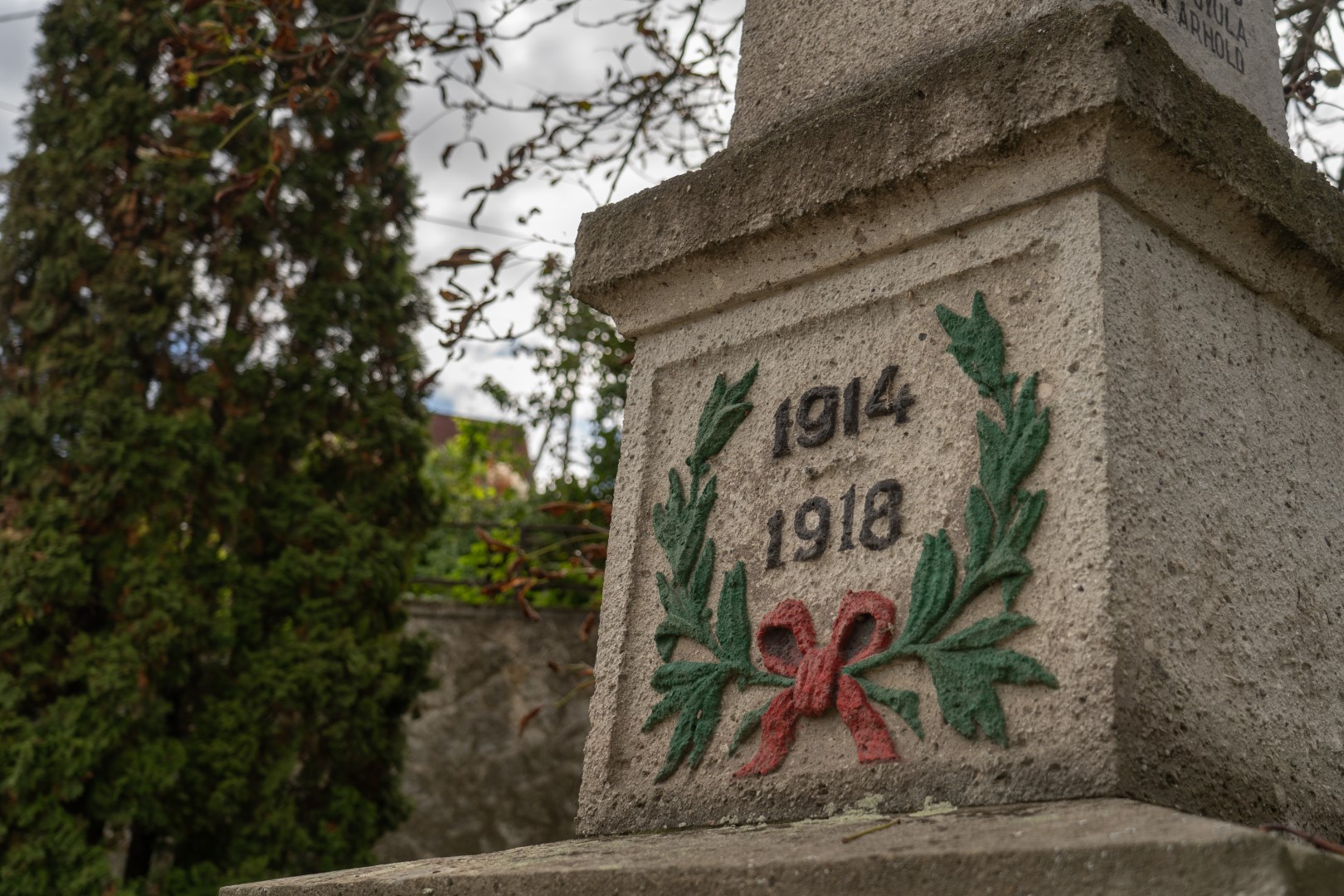
"On 31th July 1914, at 9 o'clock in the evening, terrible news shocked the population of the village. Like an ominous trumpet, the drum sounded under the cover of night and the village's then magistrate, Károly Rozgonyi, shouted in a faltering voice through the village: "War has broken out!"
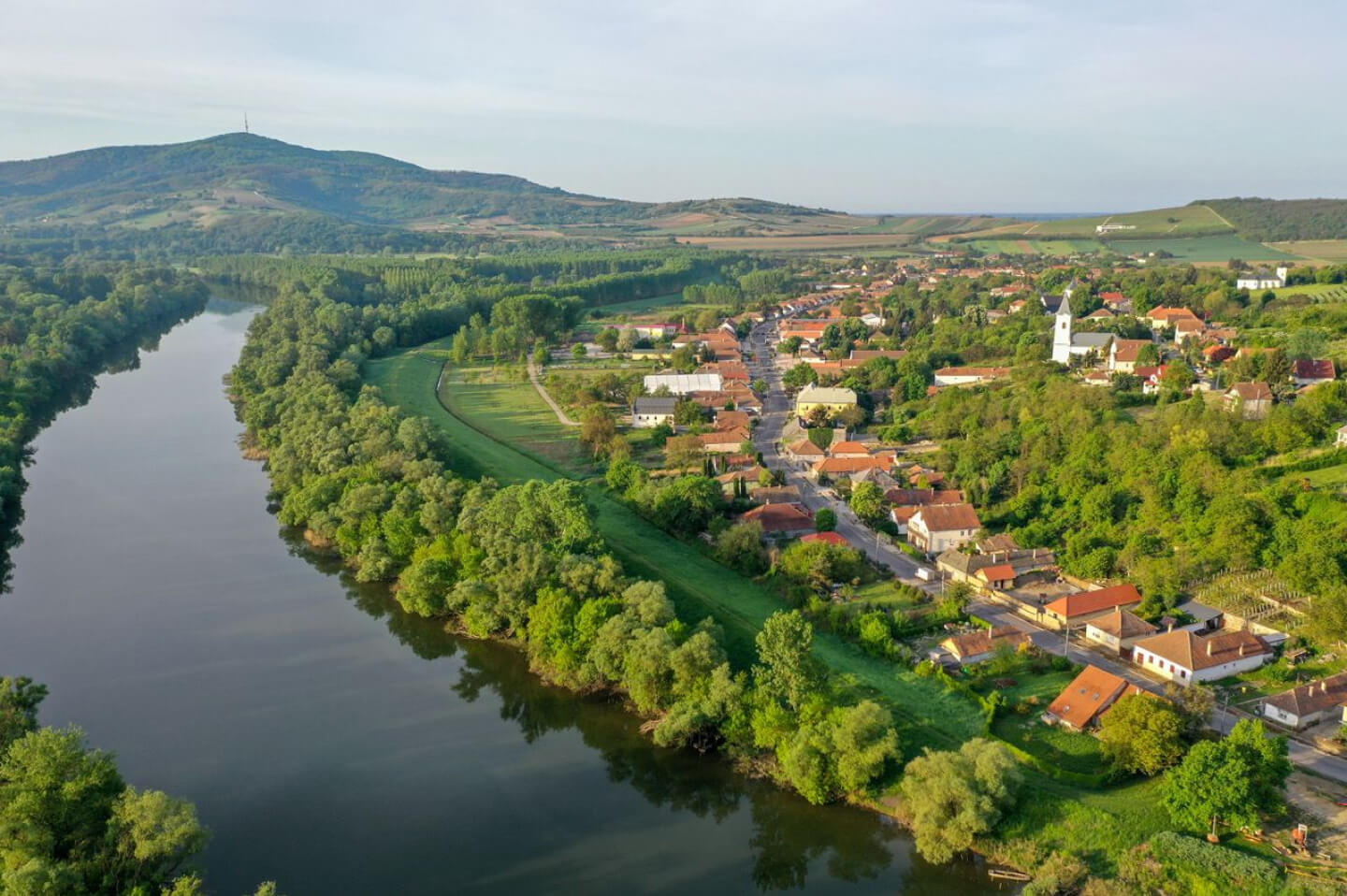
According to a local fairy tale, there were once fairies on the Castle Hill who loved to play ball. When the ball rolled away, they cried - their tears became the Bodrog River.
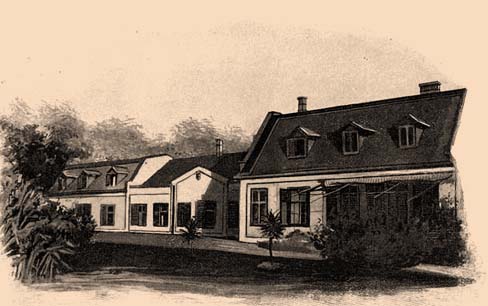
A special fate awaited the last landlords of Bodrogkeresztúr. The countess was a lady-in-waiting to Empress Sissi, and the count was a frequent visitor to the imperial court - yet they found their home in Bodrogkeresztúr.
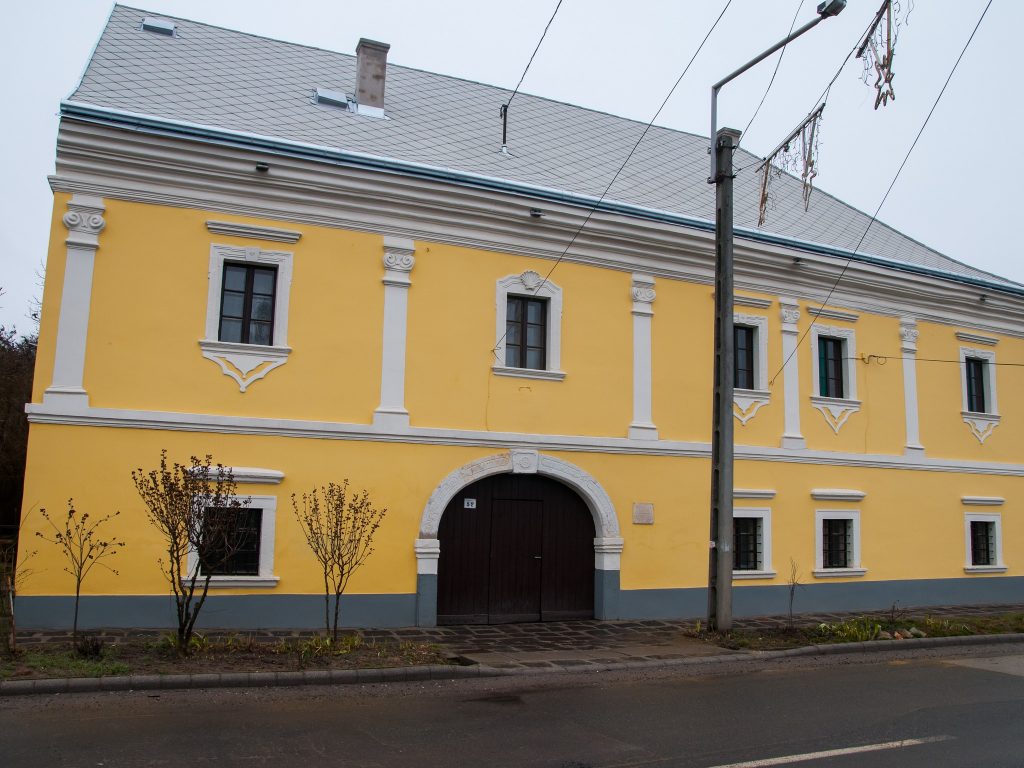
It was a manor house built in the 17th century in the early Baroque style.
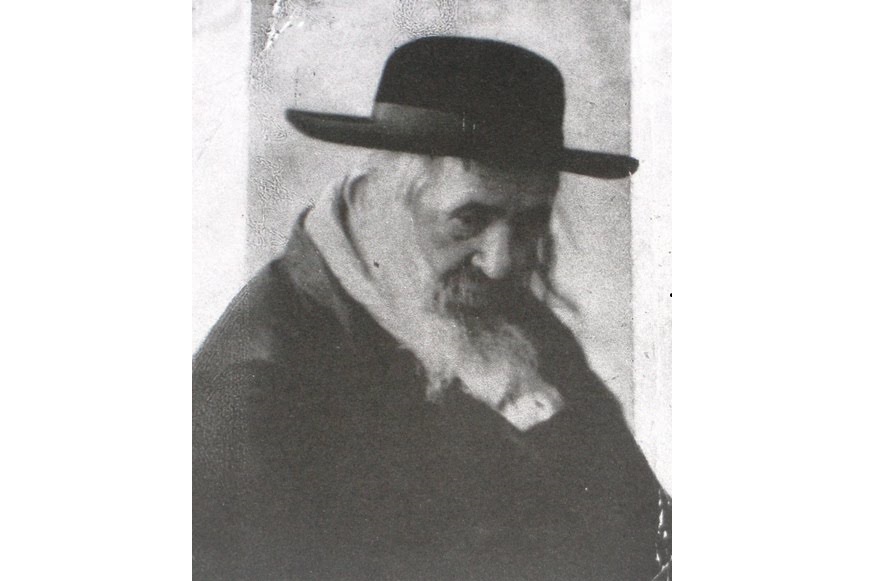
"She walked as if she were floating, in a silky black dress that swished as she walked."
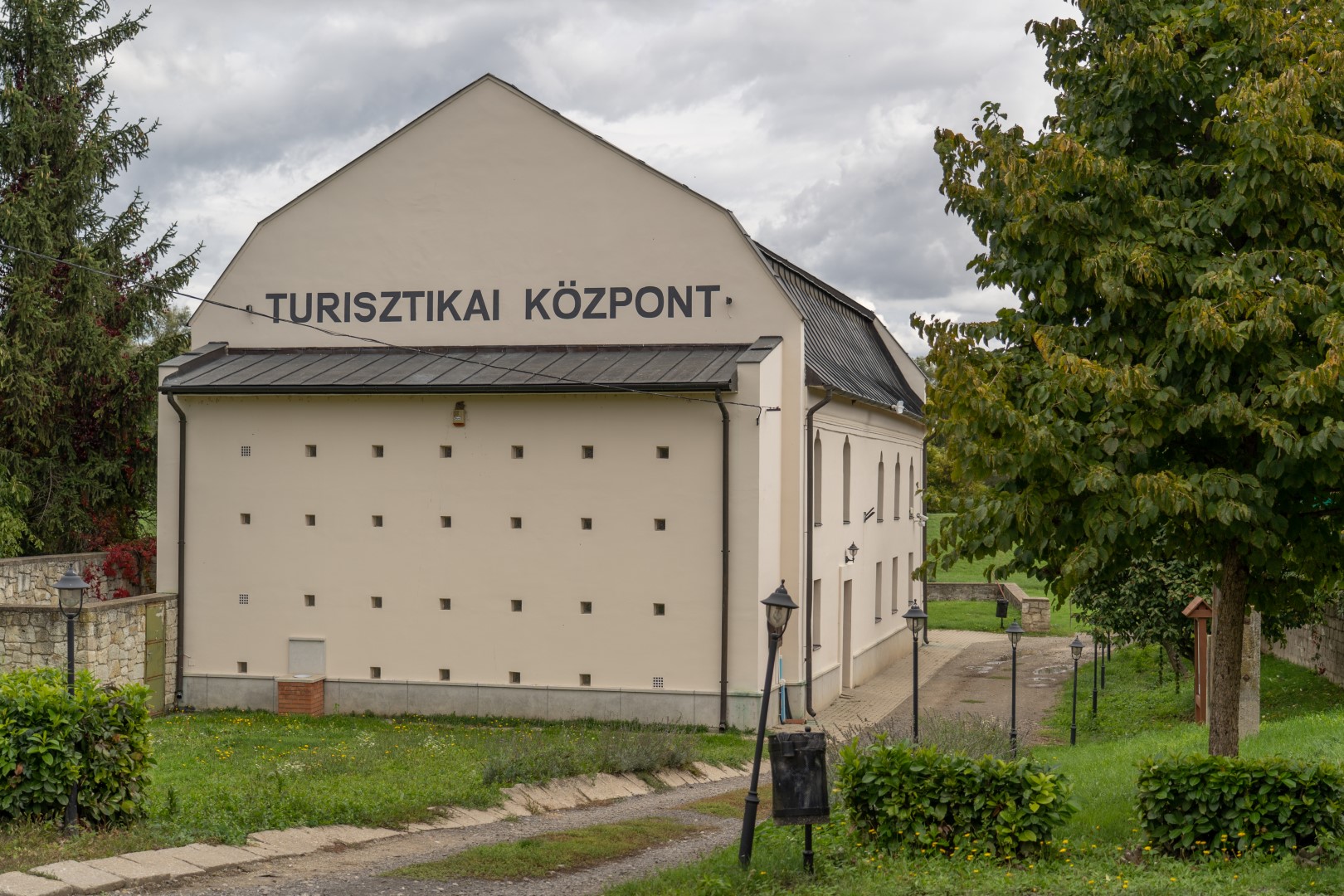

In the Carpathian Basin there are several settlements called Keresztúr. The memorial park is a symbol of their cooperation.
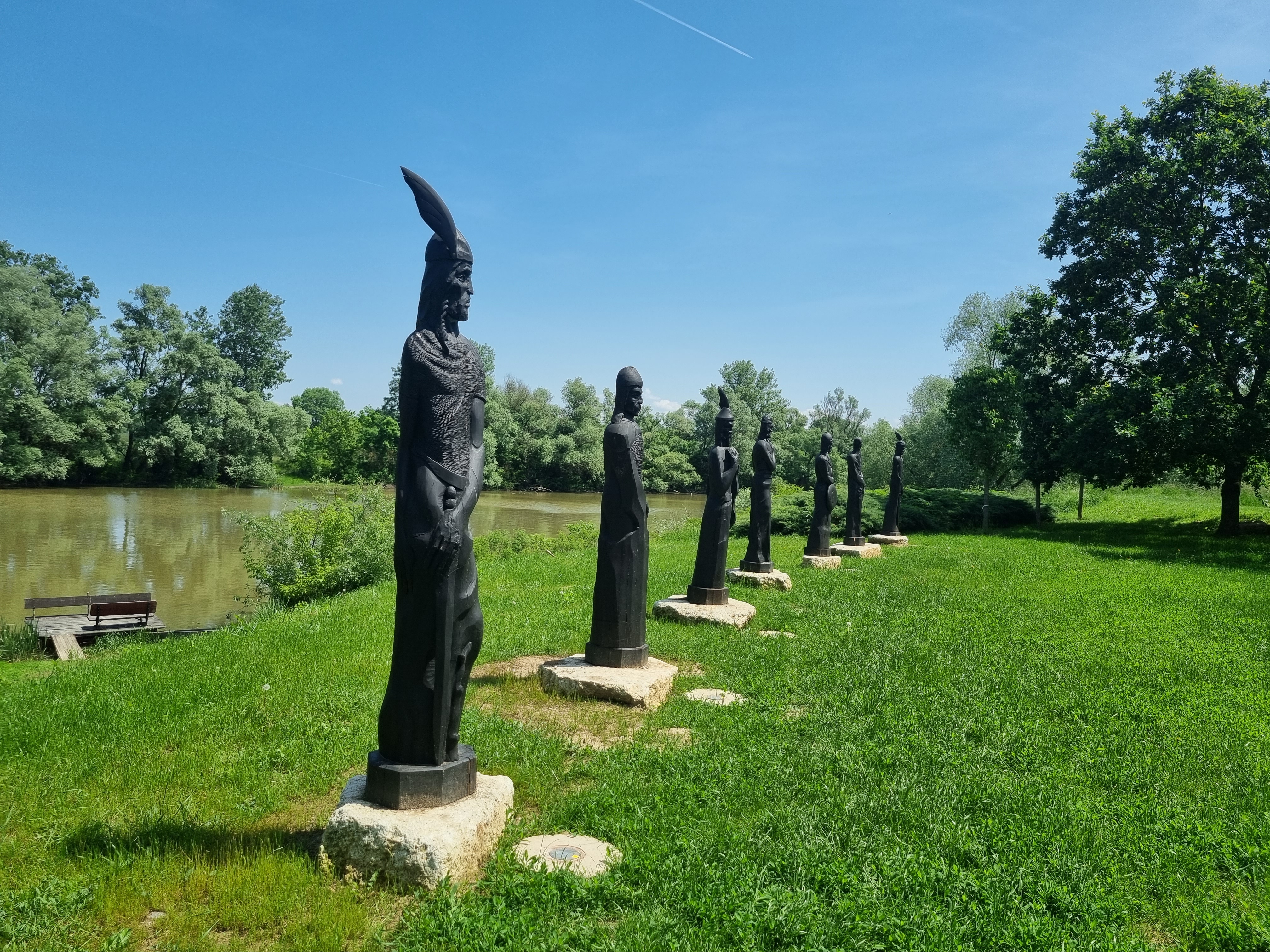
Tibor Sárosi's 2-meter wooden sculptures depict the seven leaders of the conquering army.
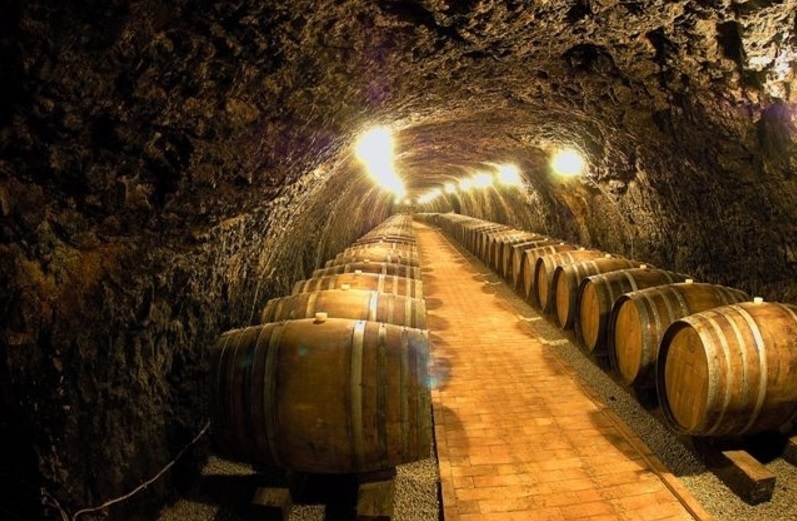
The Dereszla Wine Cellar, one of the oldests in Bodrogkeresztúr, was formerly used to store the tithes provided in wine.
According to tradition, the hill got its name from the fact that once upon a time, disobedient serfs were hauled to the ground on this hill.
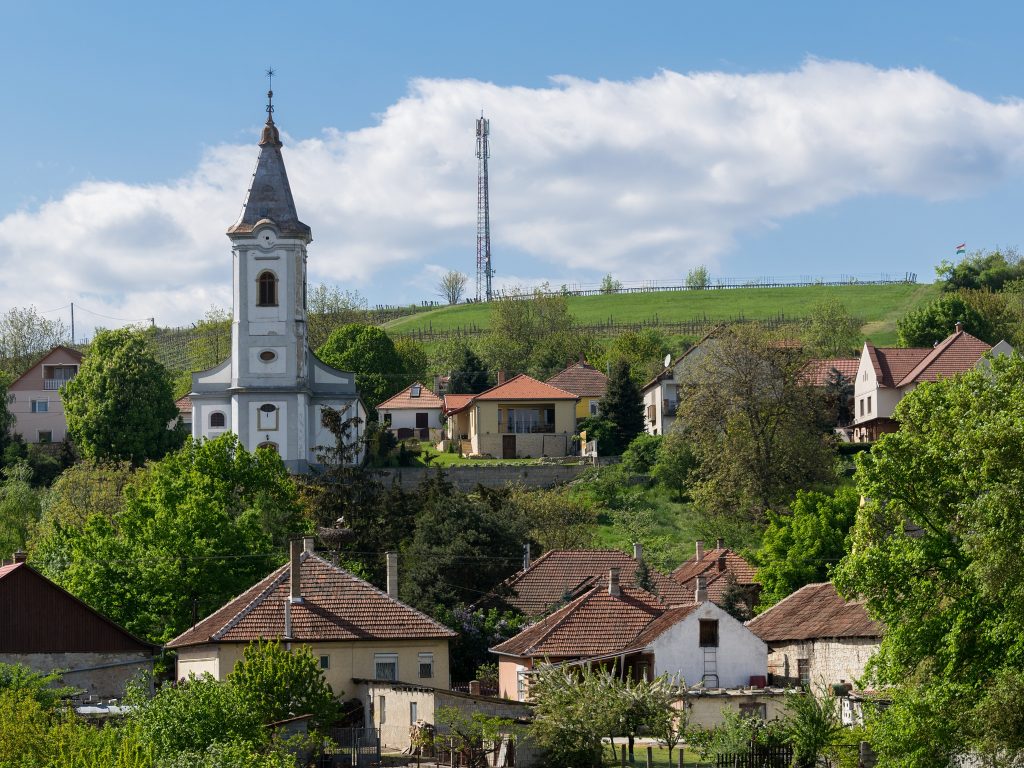
The church has been serving the Reformed faithful since the late 18th century. For decades, the building's nave has been the summer roost of two protected bat species. More than 2,000 bone-eared and big horseshoe bats find refuge here during the summer months.
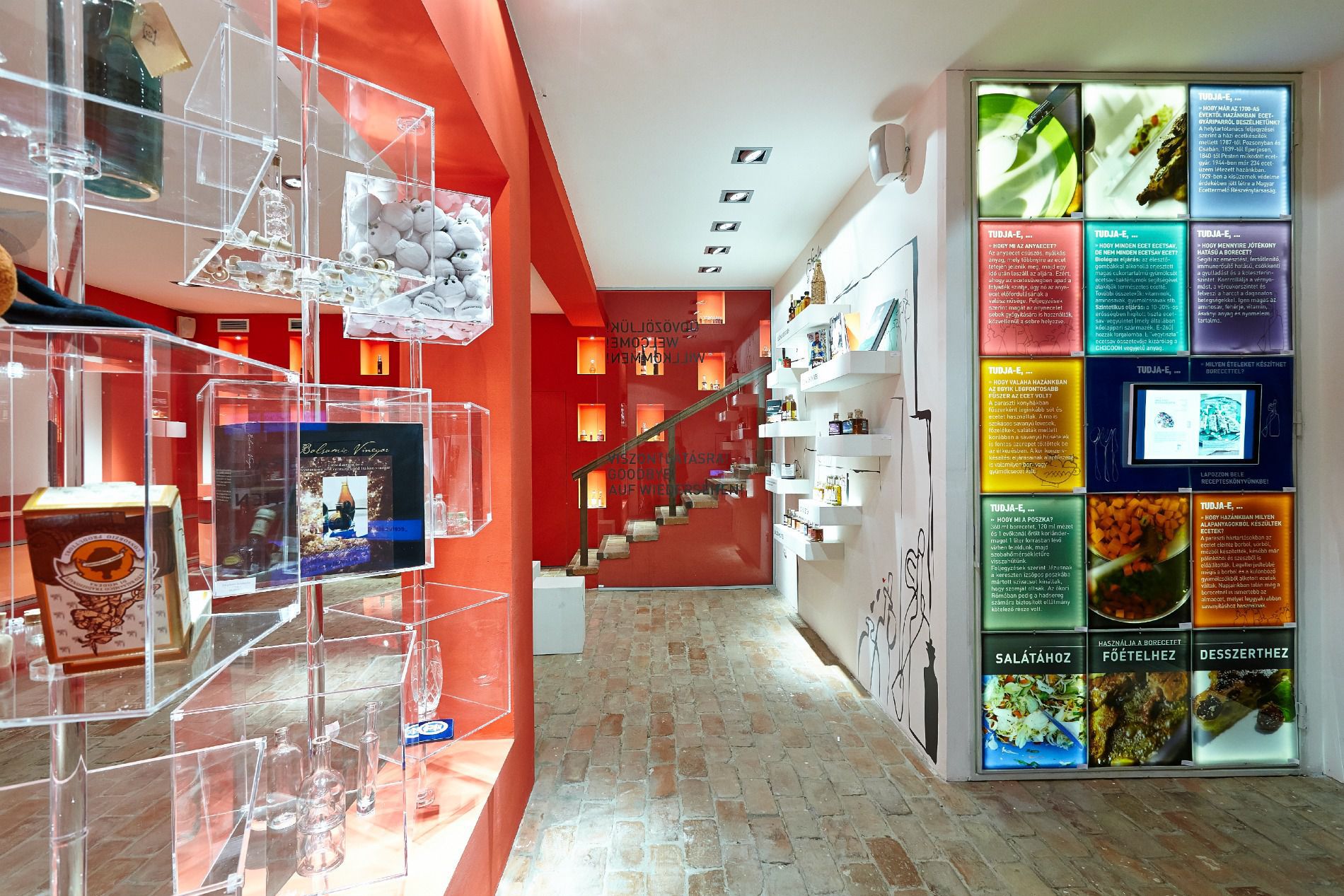
Acetania is the brainchild of members of the Wine and Fruit Vinegar Producers Association, who want to challenge the stereotypes surrounding vinegar and show how much more flavour this acidic juice has to offer.

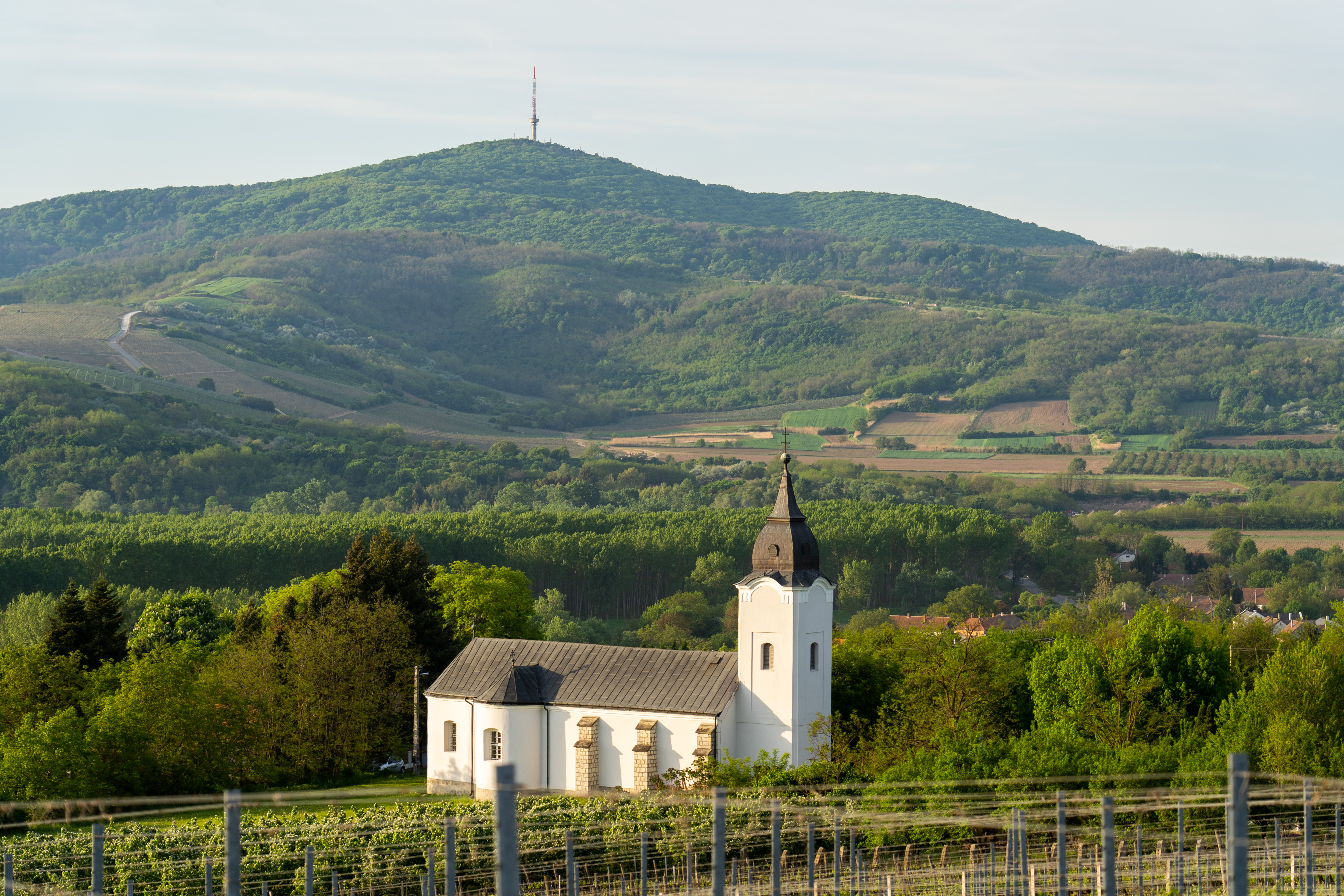
Built in 1782, this magnificent church has an altarpiece that is a copy of the icon of Máriapócs.

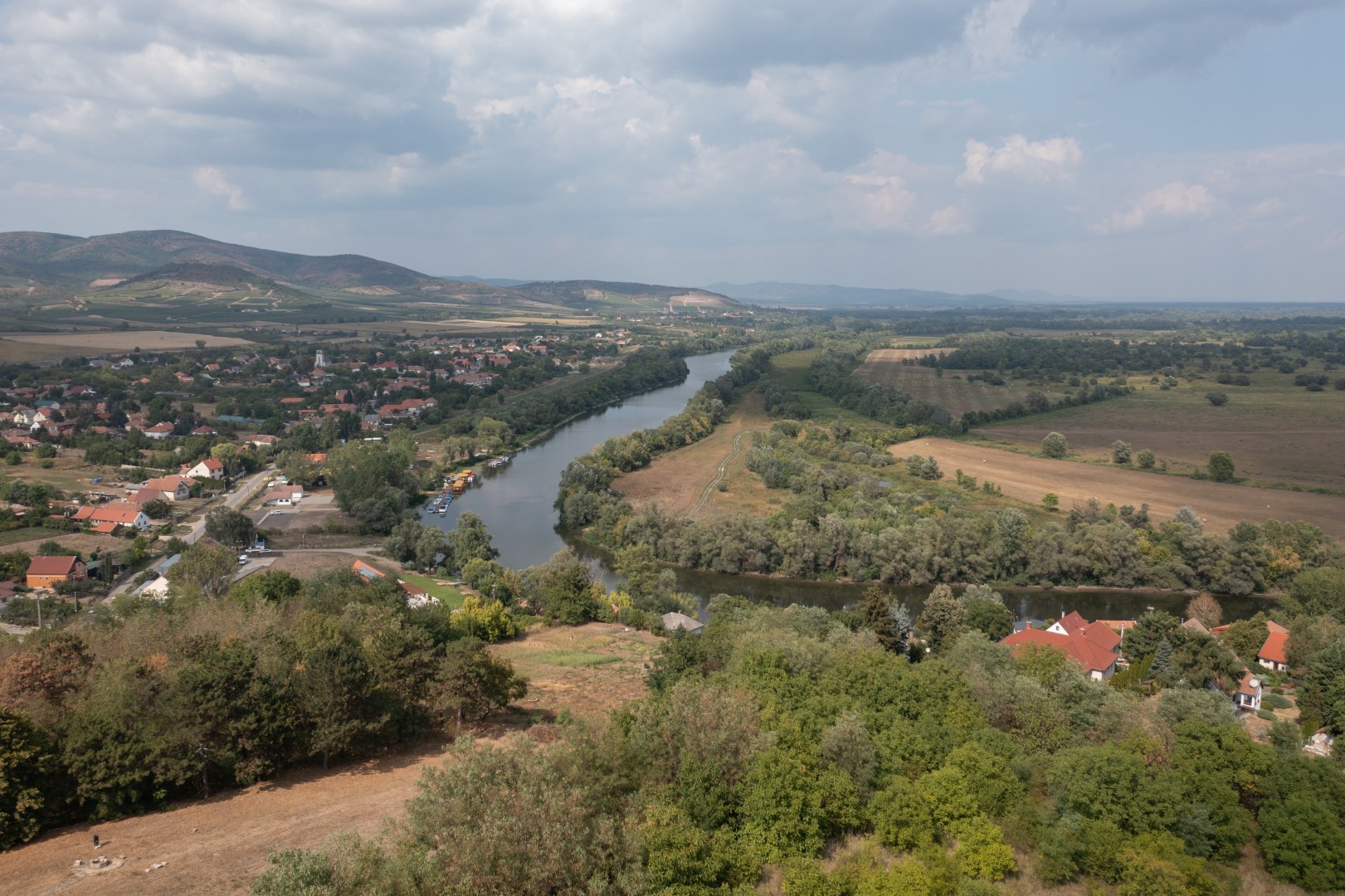
If you walk up to the lookout point above the village, you will not only enjoy an unparalleled view, but also get a sense of the mystique that the people of the area have had for centuries.

The Roman Catholic Church of the Exaltation of the Holy Cross in Bodrogkeresztúr, the oldest building in Bodrogkeresztúr, is 800 years old and hides in the shade of huge trees.
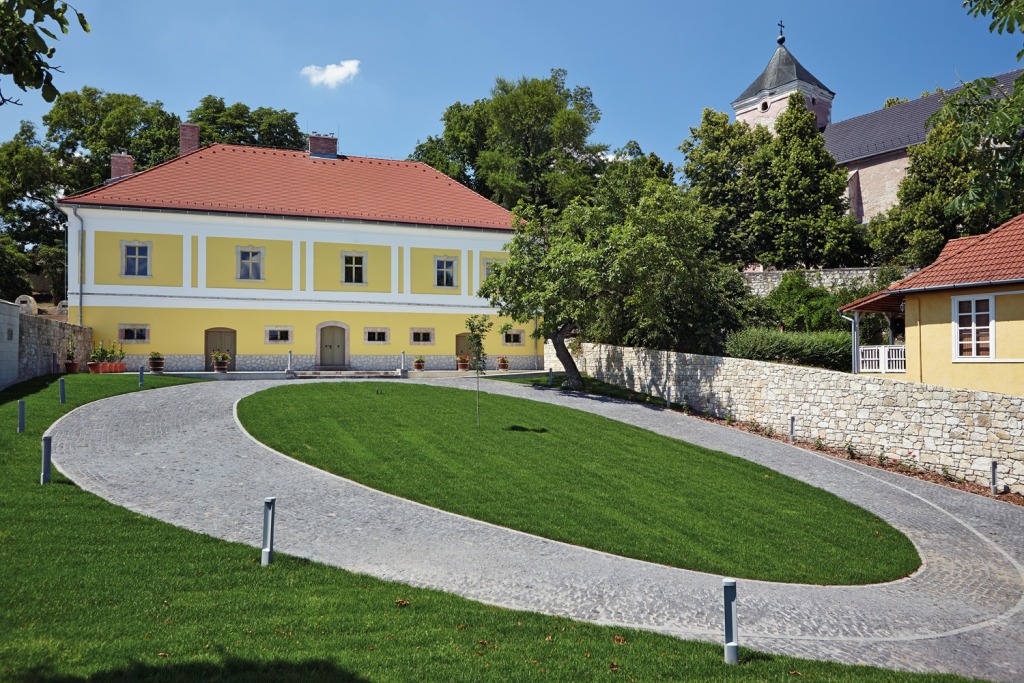
The 18th century Baroque mansion meets the contemporary Press House.
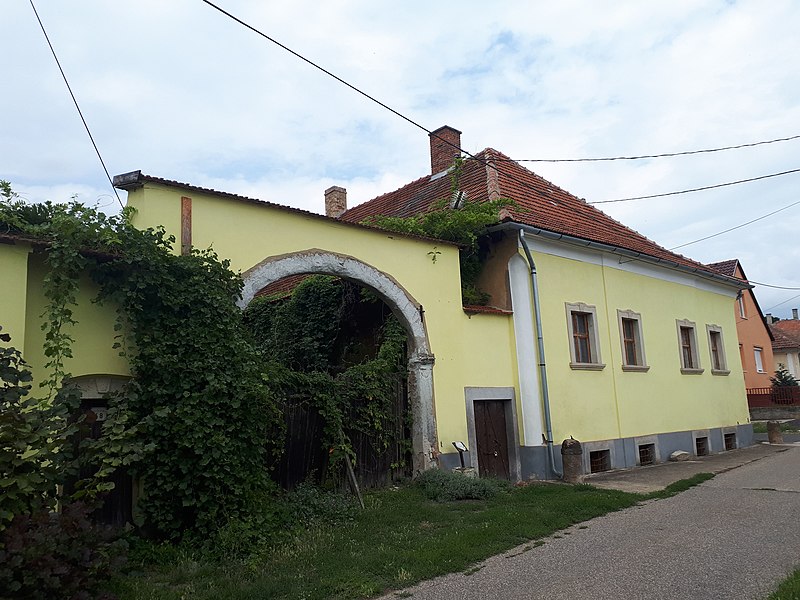
In the first half of the 19th century the mansion was the property of Countess György Erdődy née Mária Aspremont, Countess Marie Wolkenstein (daughter of Julia Rákóczi) and the canon of Eger, Gábor Máriássy, who spent his time here with his guests mainly during the harvest season.

The present school building was once a noble mansion, and tradition has it that József Eötvös wrote the excerpts of his first novel, Karthauzi, published in 1841-42, in this building. After Eötvös became Minister of Culture in the first independent ministry in 1848, he also took refuge here after the fall of the War of Independence.
Museum created by the reconstruction of the cellar system under the village hall.
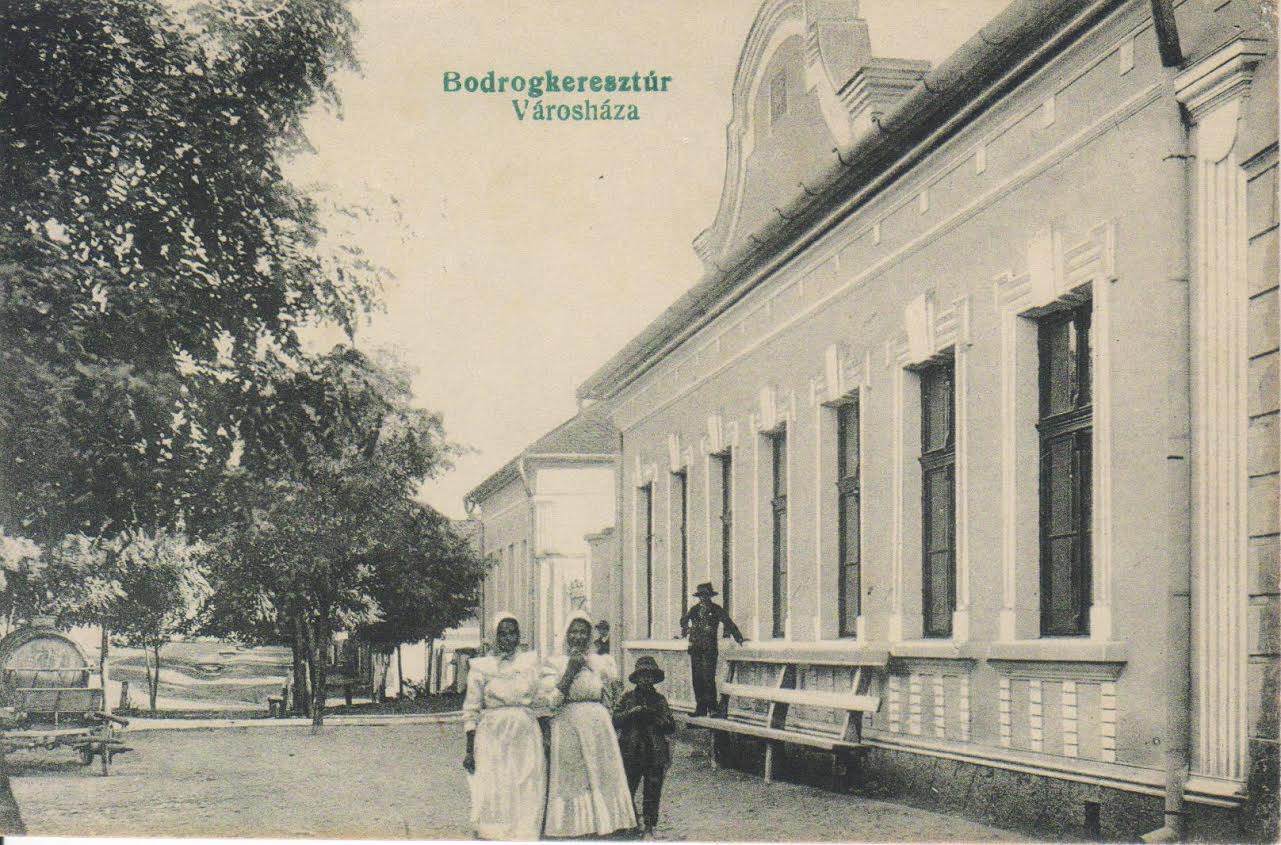
The current Village Hall used to be the property of the Hohenlohe princes that was purchased by the municipal management in 1929.
The plaque which reminds us that the Tokaj Wine Region is part of the UNESCO World Heritage List can be found in front of the school building. But what does it mean to be part of the World Heritage List and why is it so important for the Tokaj Wine Region?
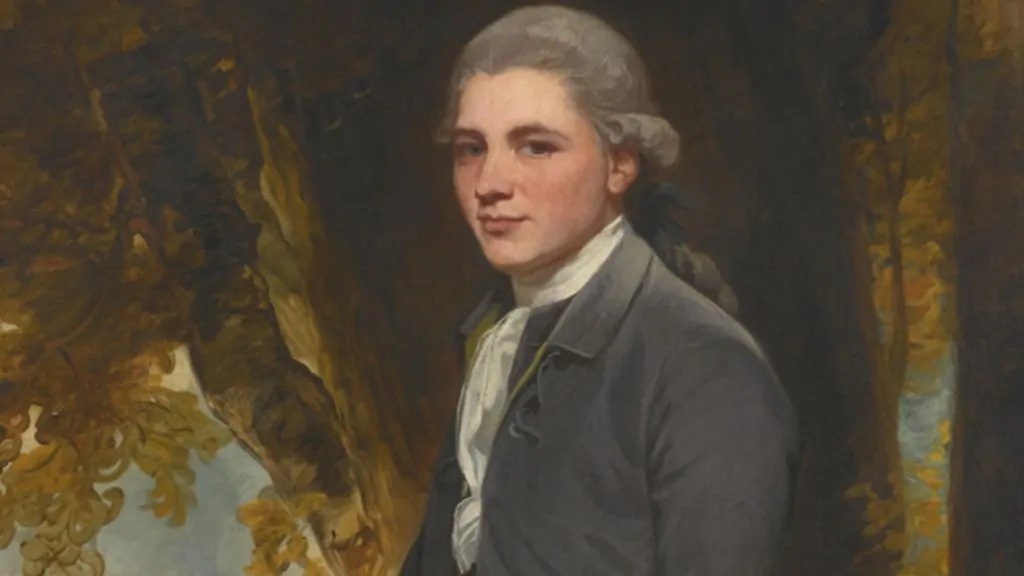
Dávid Barczfalvi Szabó was born in Bodrogkeresztúr at the end of the 18th century and became a language innovator. We owe him, for example, our words for piano, foreign, inner city or deputy. You can learn more about him and the battles that took place in Bodrogkeresztúr in 1849 with the audioguide.
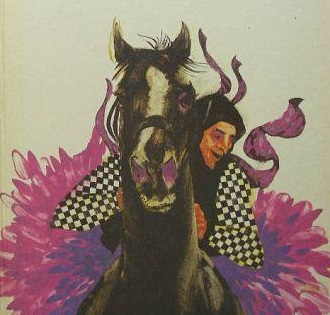
Entering the former prison of the settlement, you can not only find out why it was important for such a large settlement to have its own prison, but also learn about the mysterious aspects of crime.
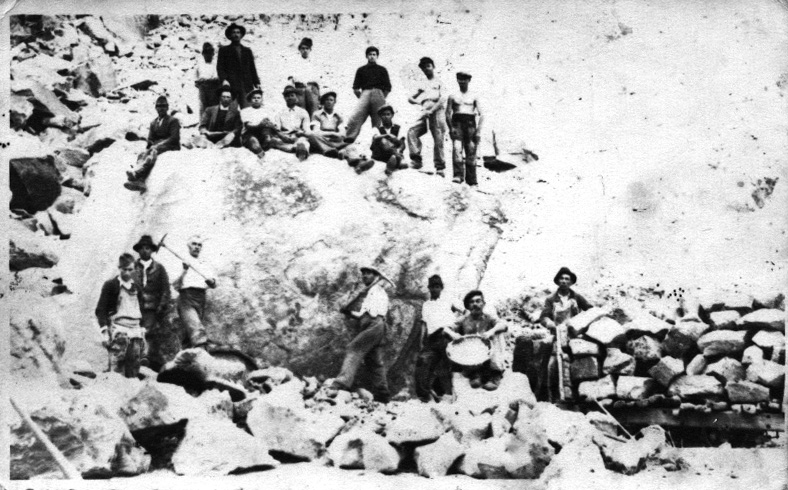
Mining was already becoming increasingly important in the wine region in the 19th century, but it became really important after the phylloxera epidemic, when many people in the Tokaj hills lost their main source of income. The quarries were a source of income, but they also led to a number of disasters. Although the Borvdiék has become a World Heritage Site, mining activities still continue in some areas, including Bodrogkresztúr.
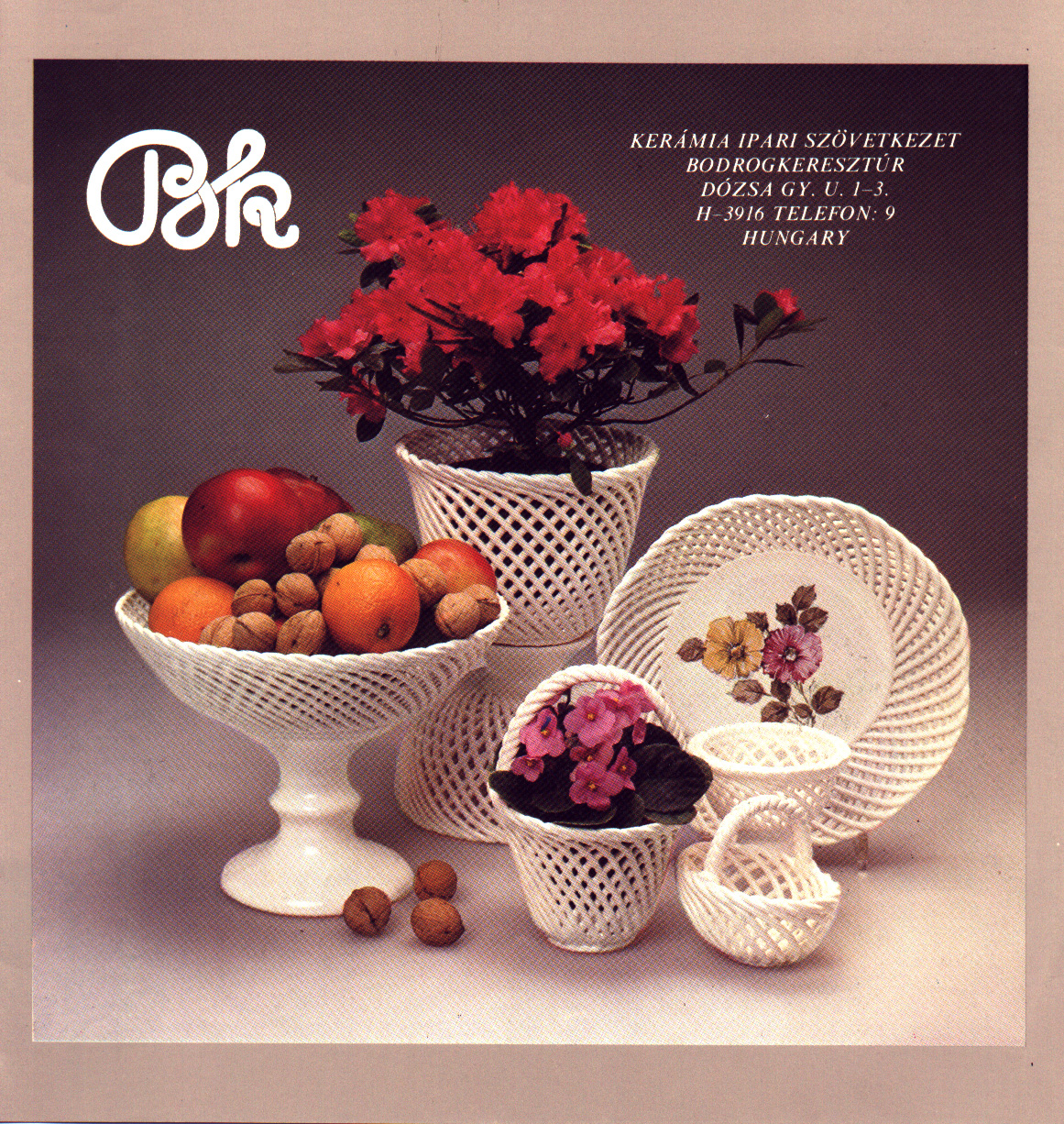
Bodrogkeresztúr pottery production in the 20th century
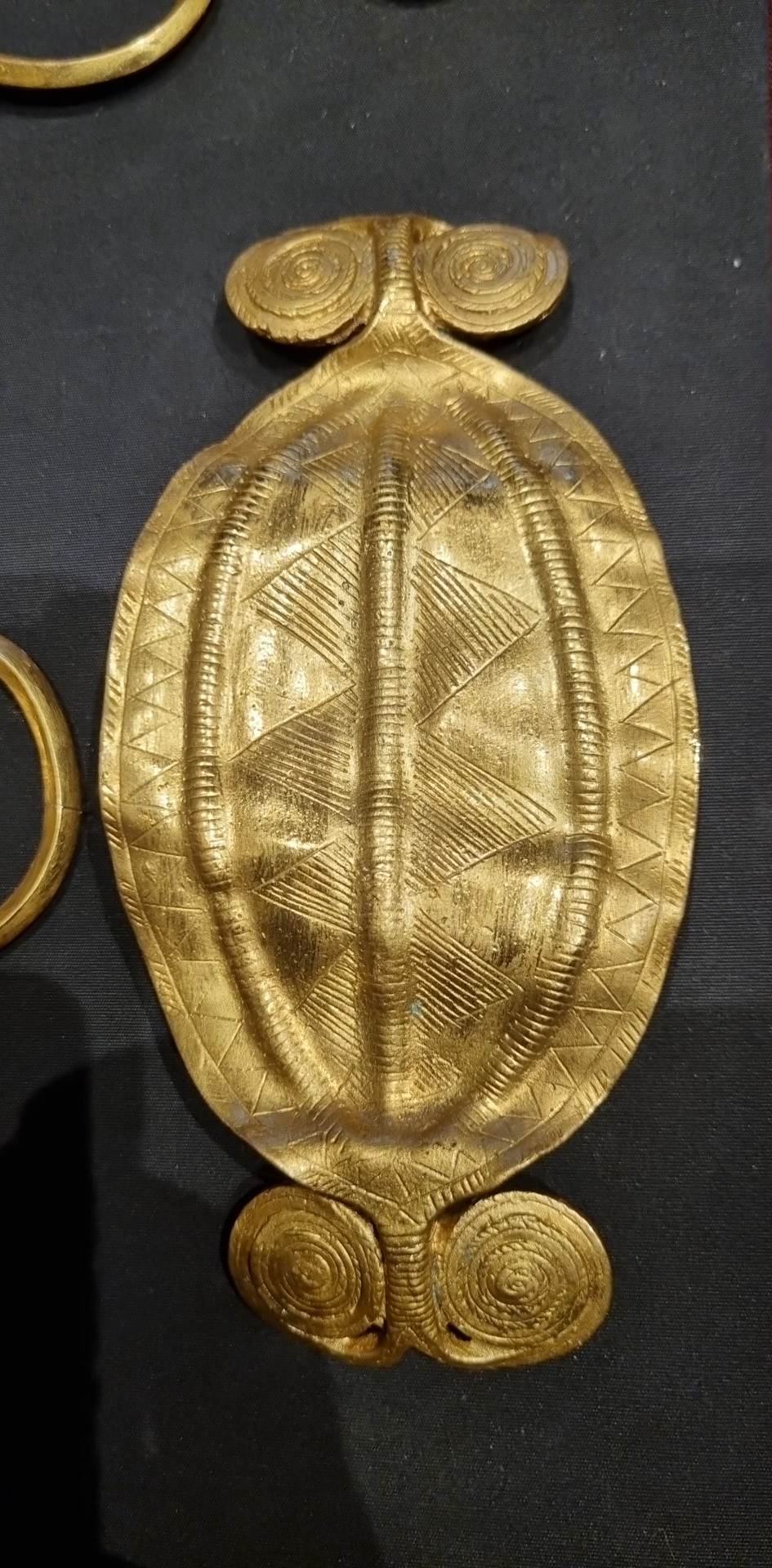
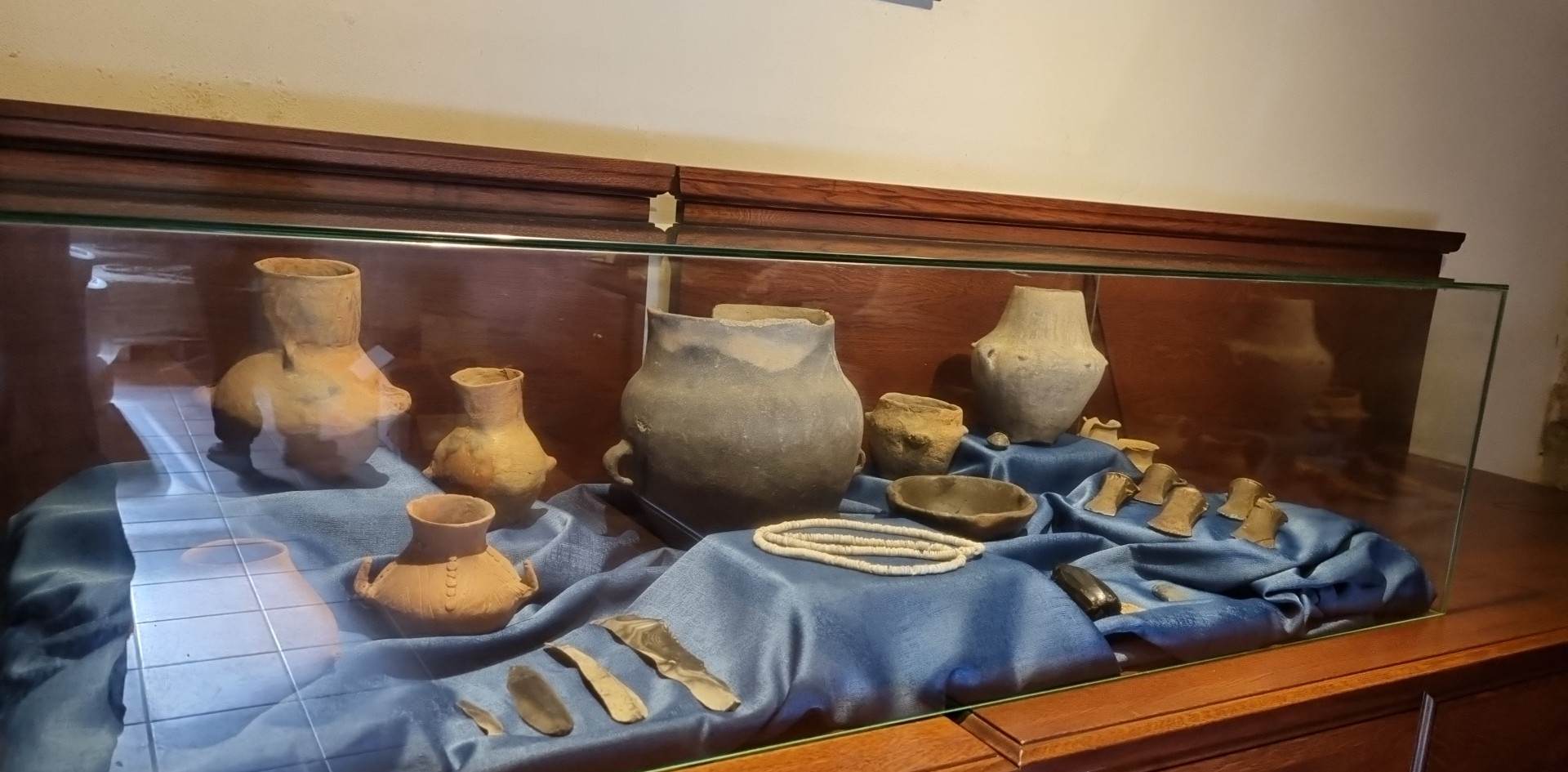
Following a series of road constructions in the area of Bodrogkeresztúr, a couple of unique golden relics were found in 1918. Archaelogists revealed that they are approximately 4000 years old.
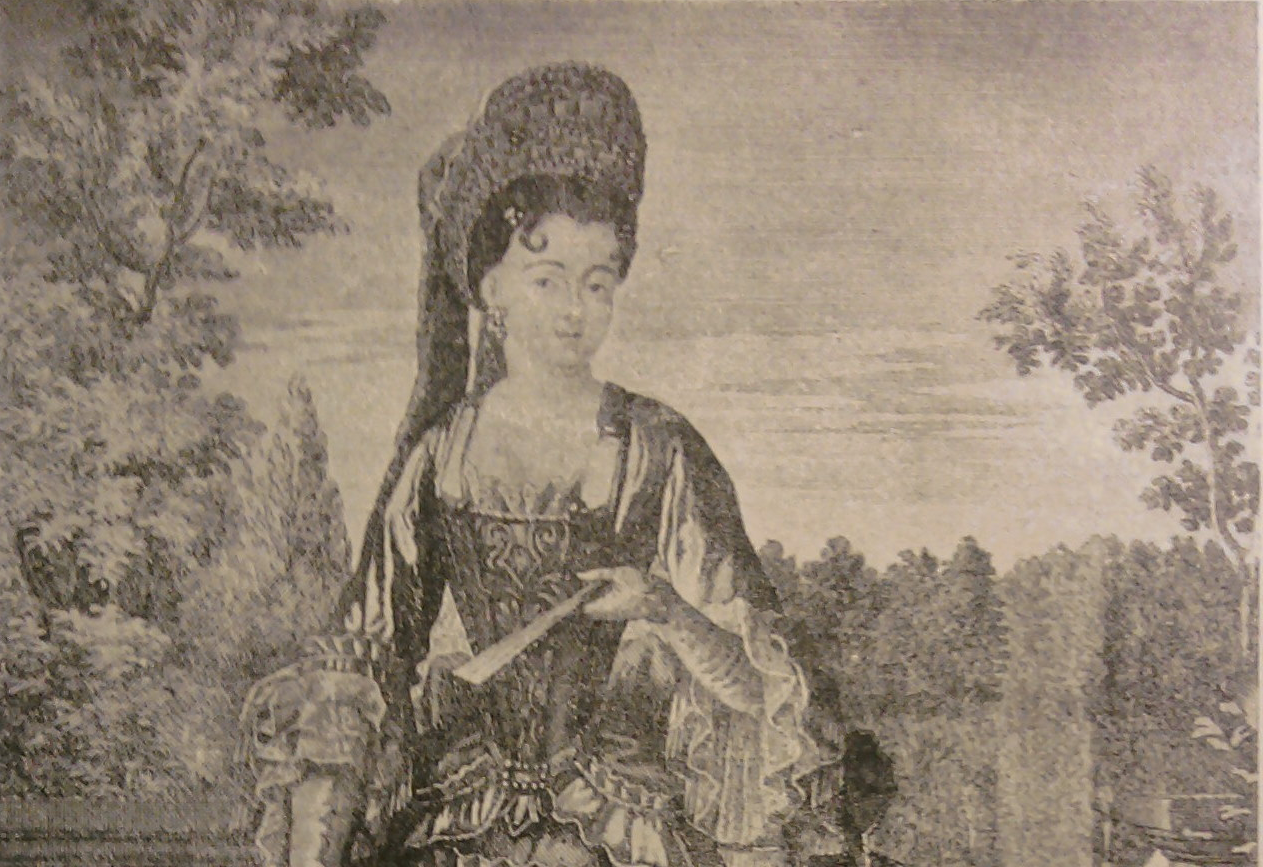
Until 1945, the landlords of Bodrogkeresztúr played a prominent role in the 20th century history of the village. Oszvald Wolkenstein was a descendant of the Rákóczi on both his mother's and father's side, and was still a duelist at the age of 72. And Ernő Széchenyi-Wolkenstein was a member of the Upper House and a former lady-in-waiting to Sissi. What they all had in common was that they all considered Bodrogkeresztúr their home.
4000 years ago, when the Egyptians were building the pyramids, and the Greeks were trying to conquer Troy, Bodrogkeresztúr was an important economic centre. It is only because of an accident that the items that locals used at that time were found. The ceramics, pots, and other relics tell us exciting stories about the life of the former inhabitants.
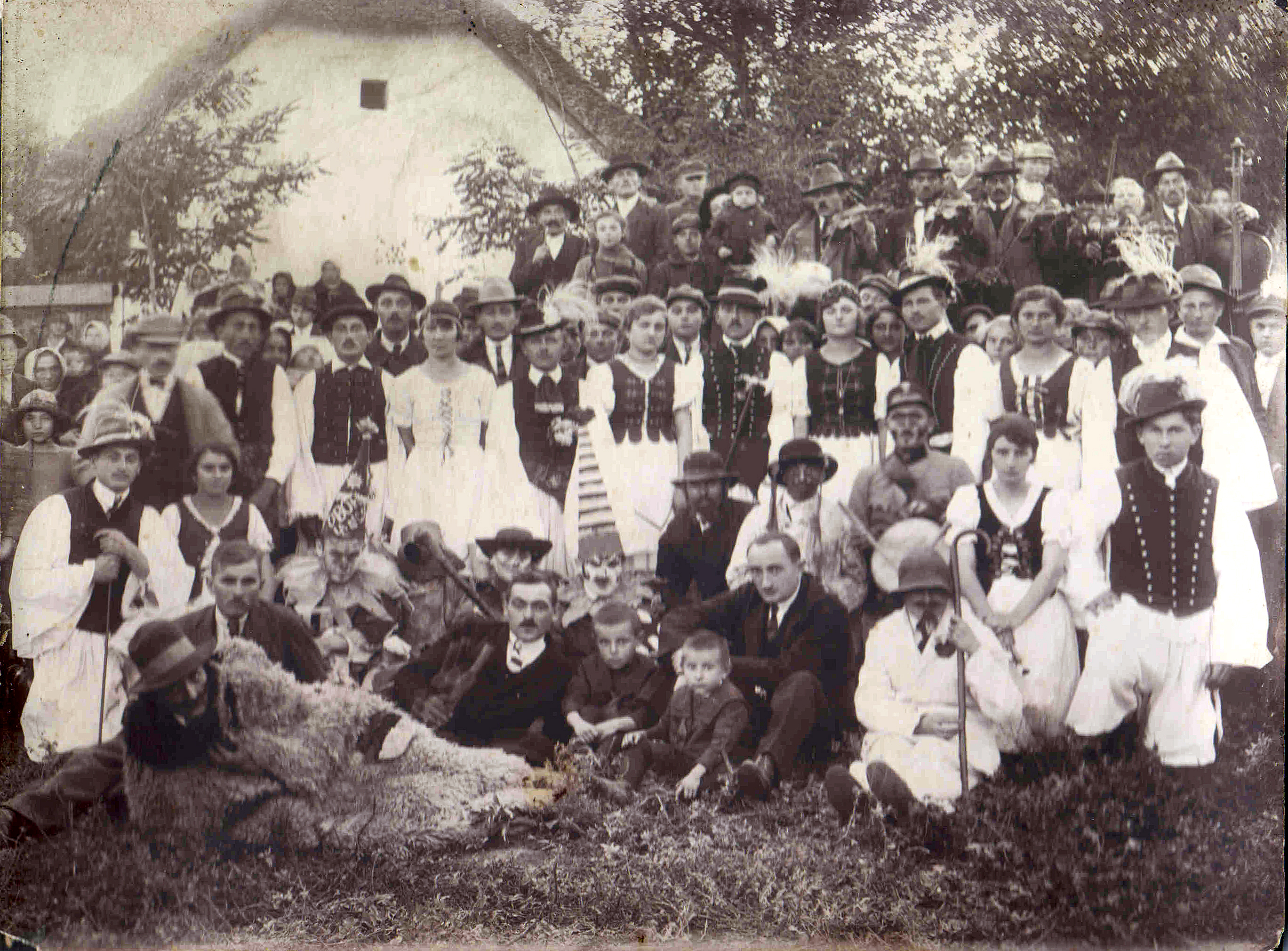
The 18th century brought religious diversity into the life of Bodrogkeresztúr.
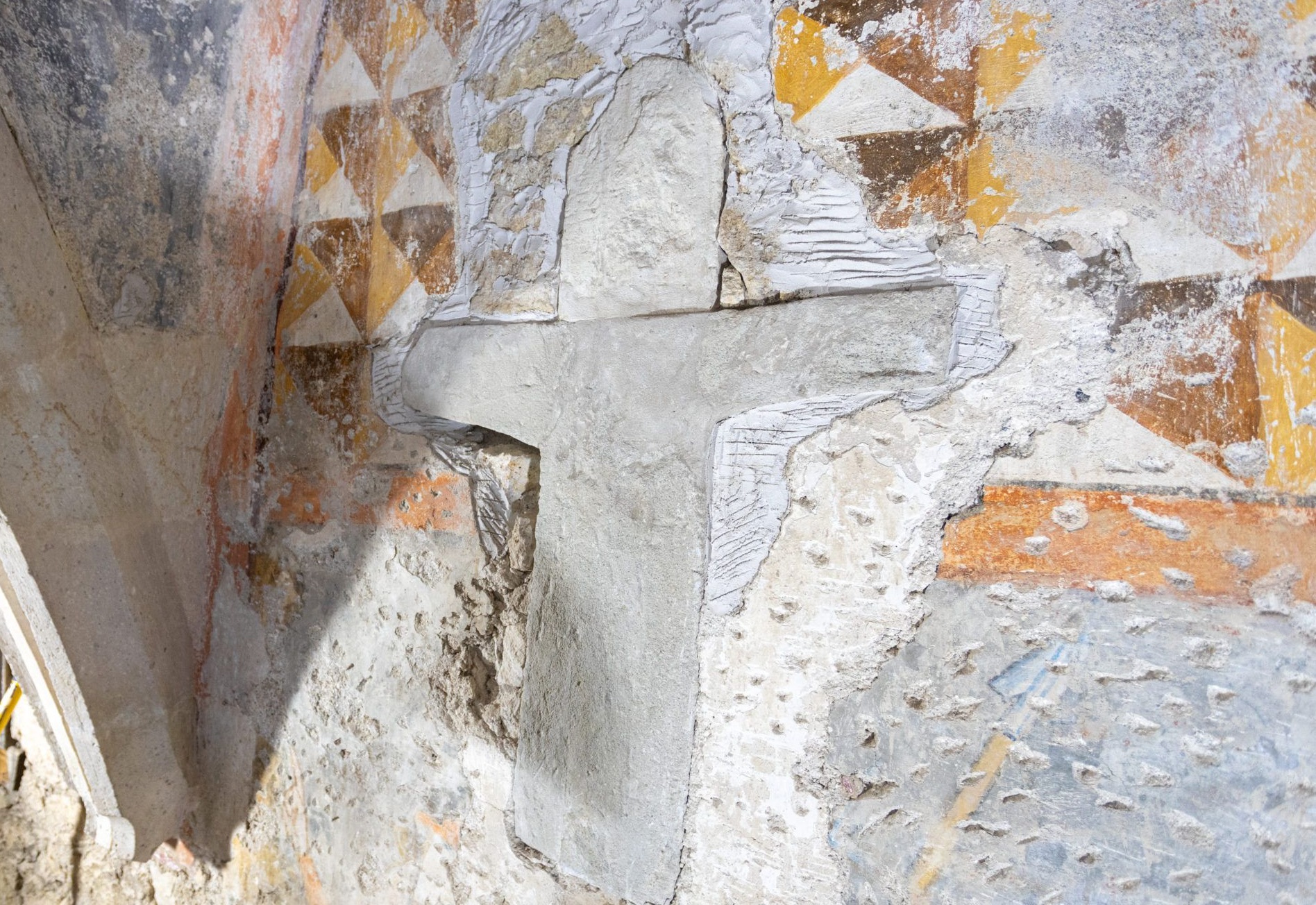
Bodrogkeresztúr was founded by Knights Templar, as evidenced by recently excavated finds. Since the 1500s it has been a farming town, and among its owners were kings, princes and lords.

Confitures, jams, syrups and other specialities, made of locally grown fruits, following family recipes, without preservatives.
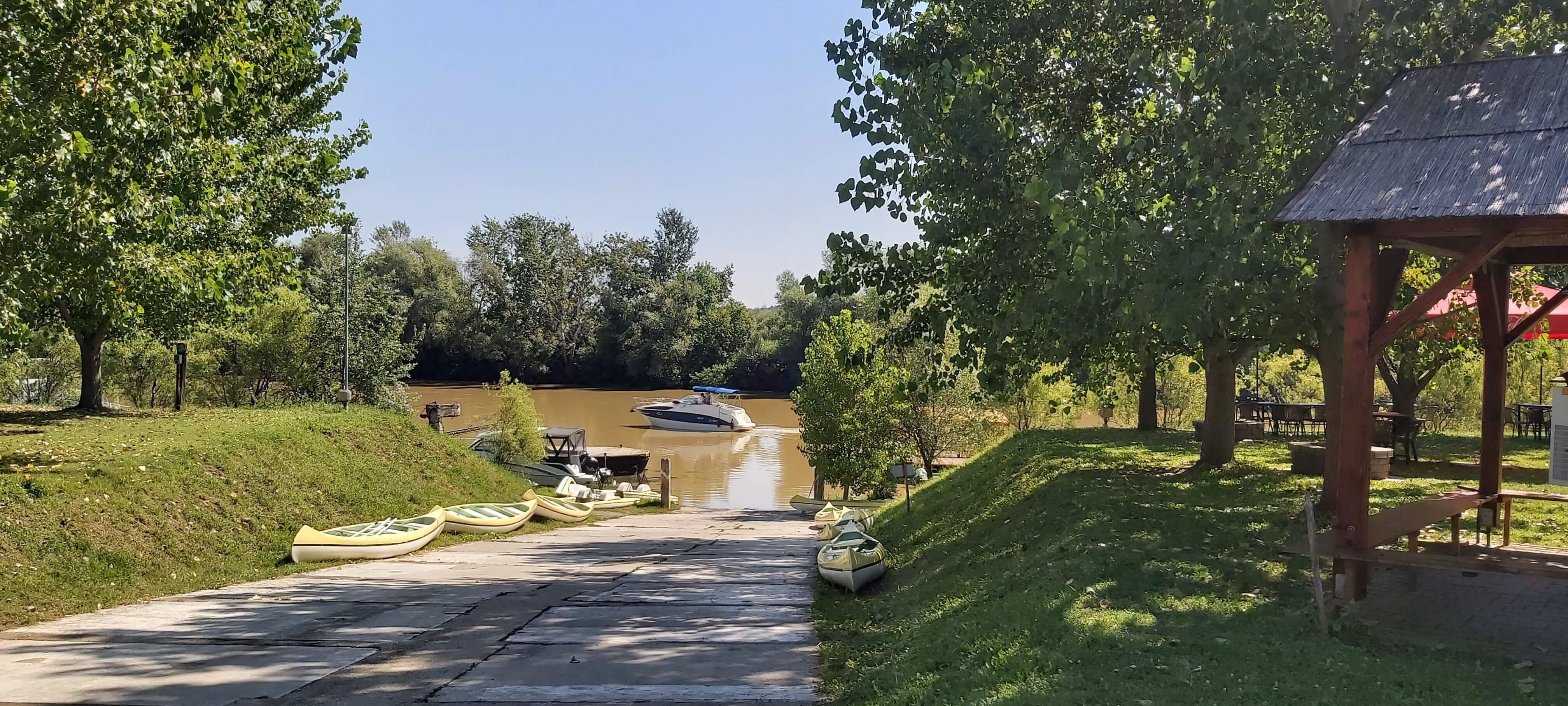
A unique experience for couples, families, friend groups, and business groups.
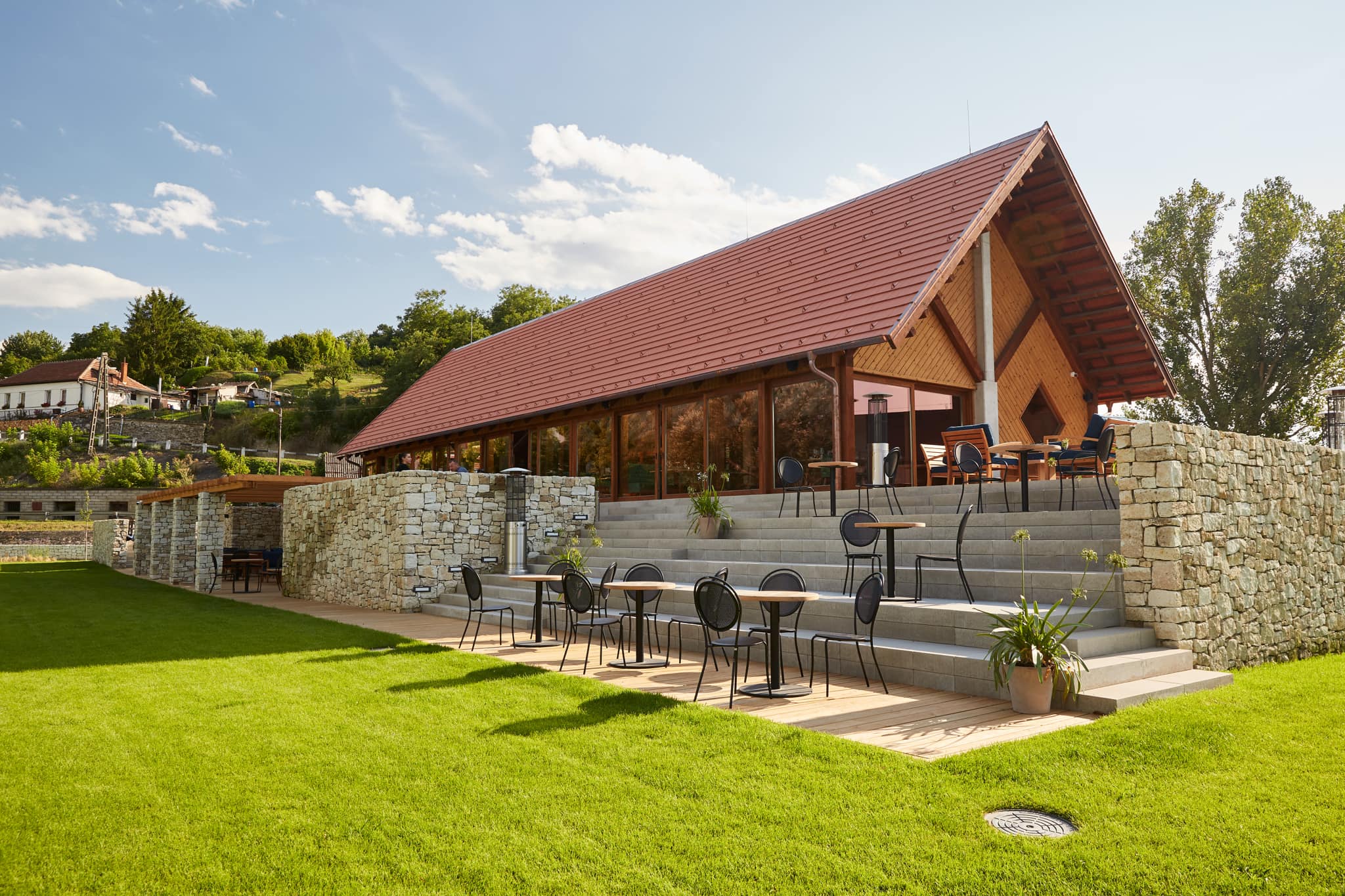
The Dereszla Bistro is the new gastronomic sensation of the Tokaj Wine Region. It is located right next to the Bodrog River.
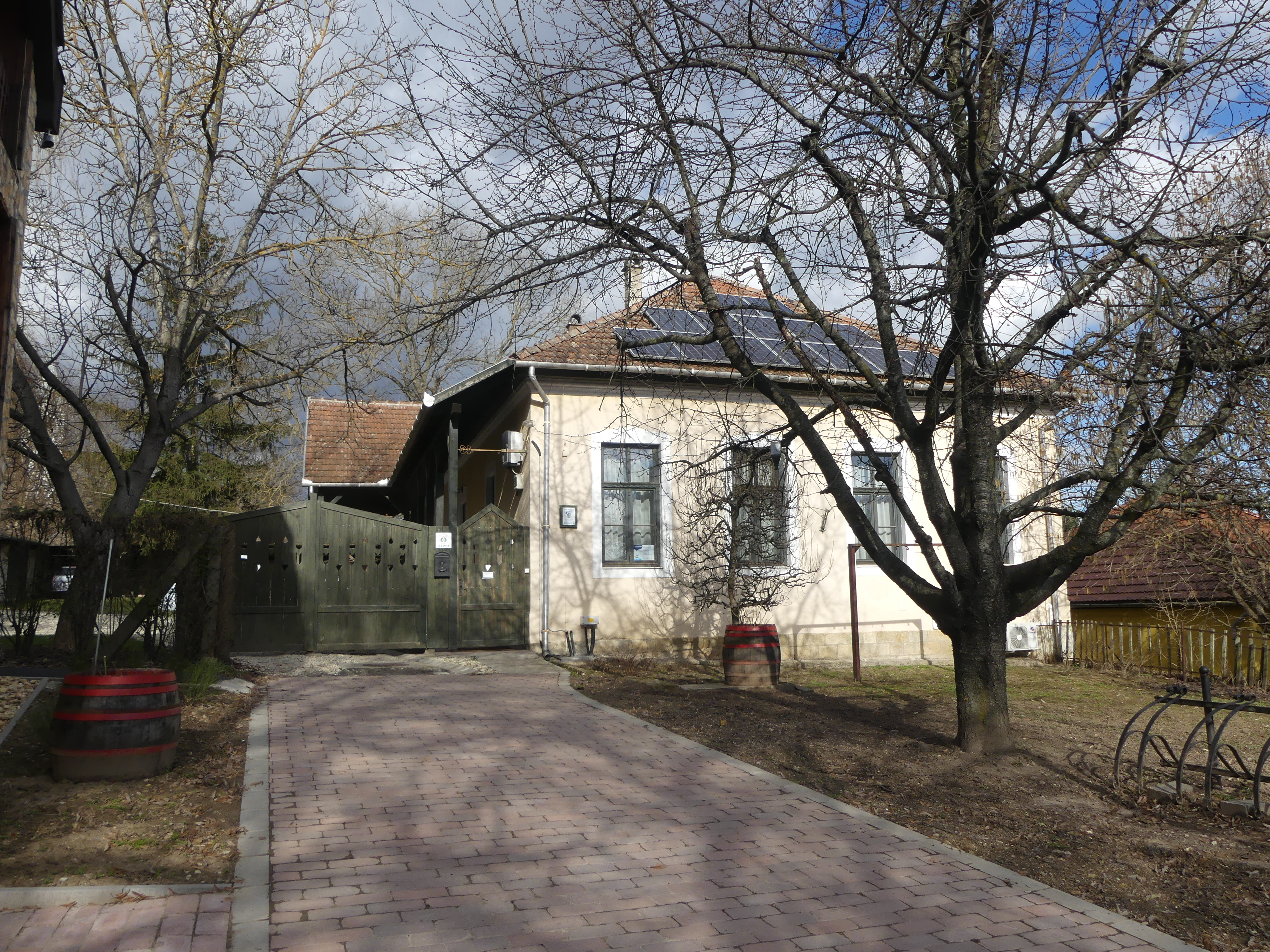
The former Catholic school building, now guesthouse guarantees its visitors an authentic experience.
The Puklus Guesthouse and Winery warmly welcomes everyone who would like to enjoy their wines and home-made foods, and those who are looking for a homely, calm environment for their holiday. The Guesthouse, which opened in 2008 is located in Bodrogkeresztúr.
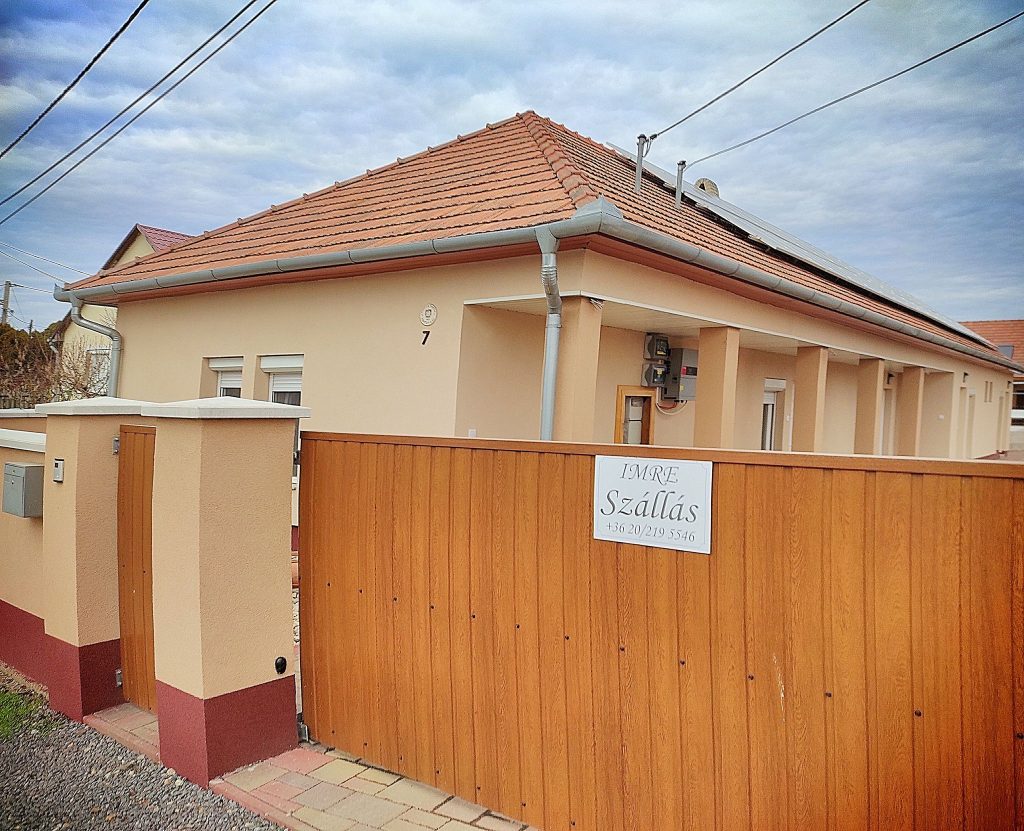
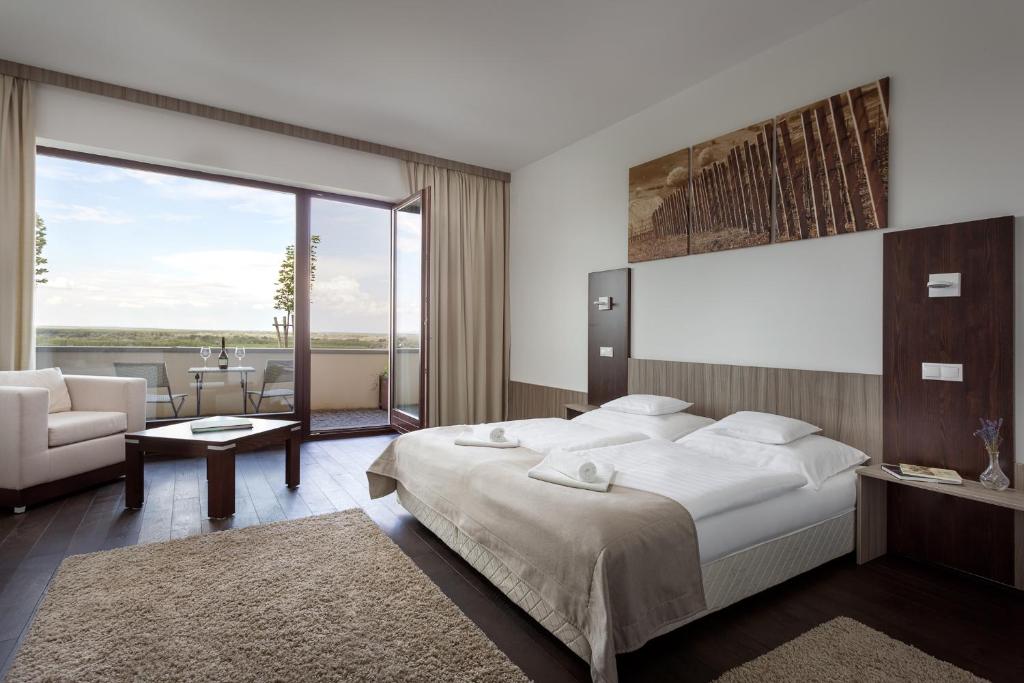
The Henye Guesthouse is located in an imposing area, surrounded by the Henye vineyards in Bodrogkeresztúr. You can enjoy a breathtaking view from the terrace to the Tokaj Mountain, but if the weather is good enough even Sárospatak is visible. The amazing panorama is guaranteed from the balconies of the rooms as well.
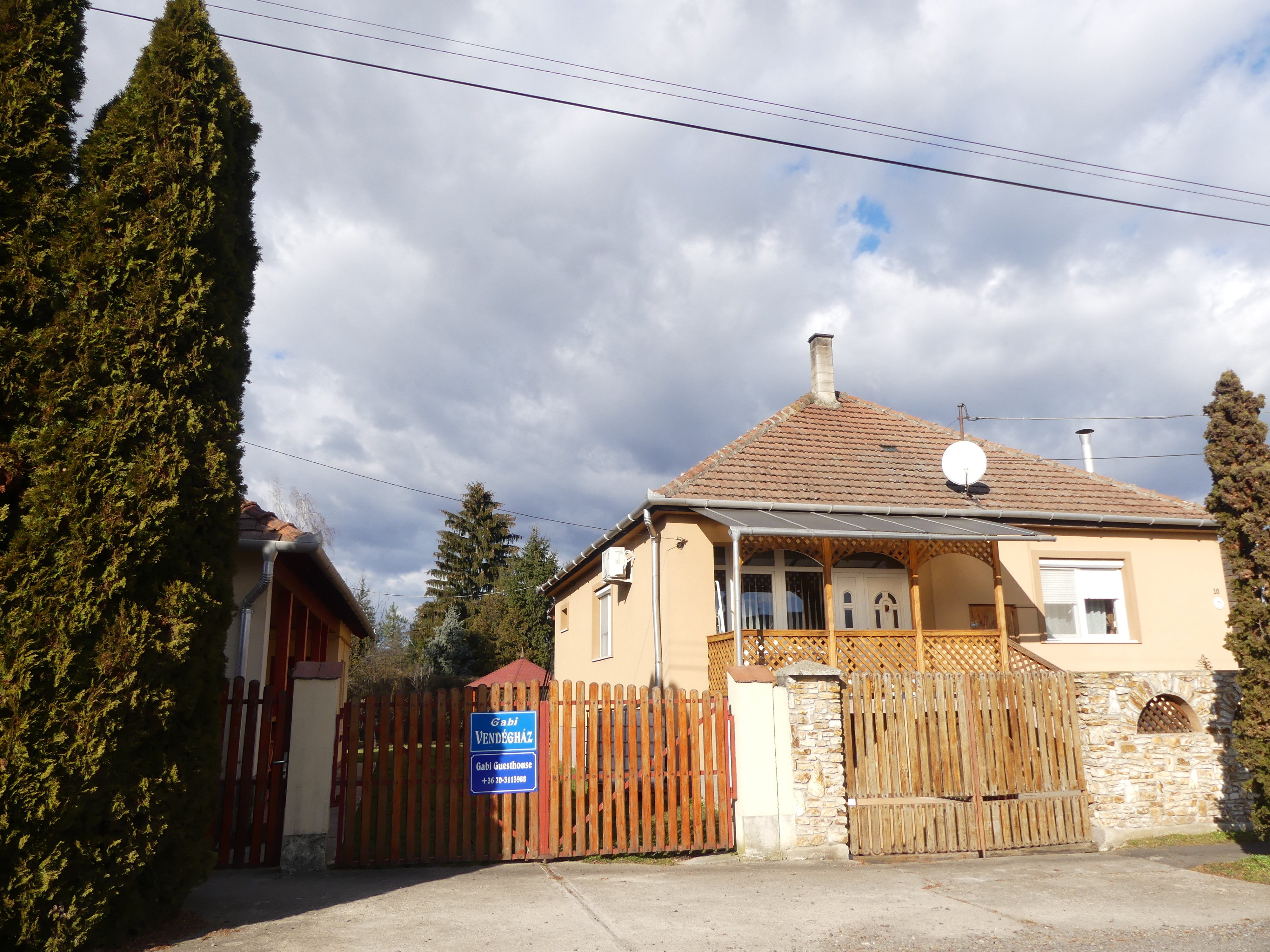
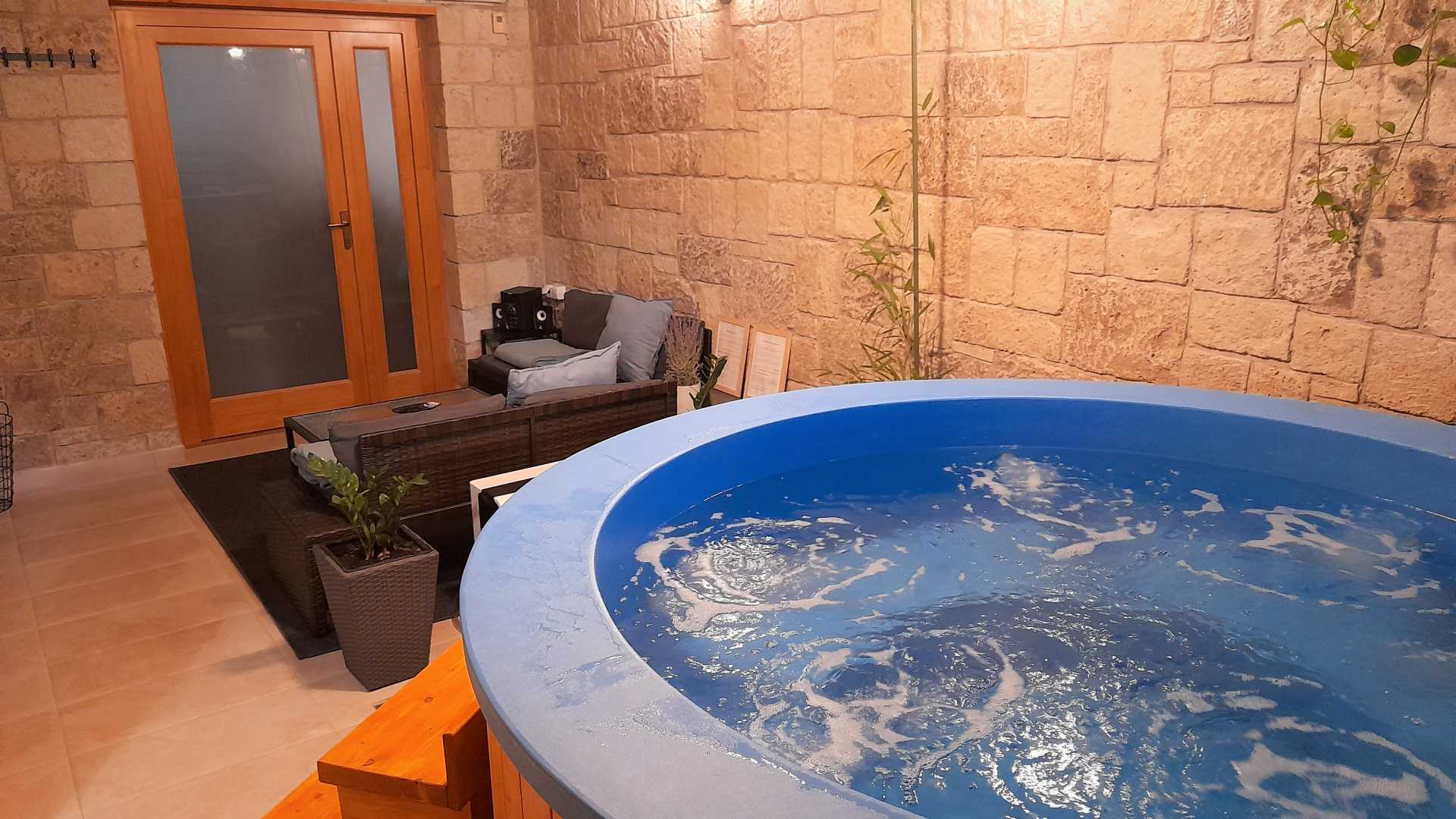
A wonderful, relaxing guesthouse for couples, families, and friend groups.
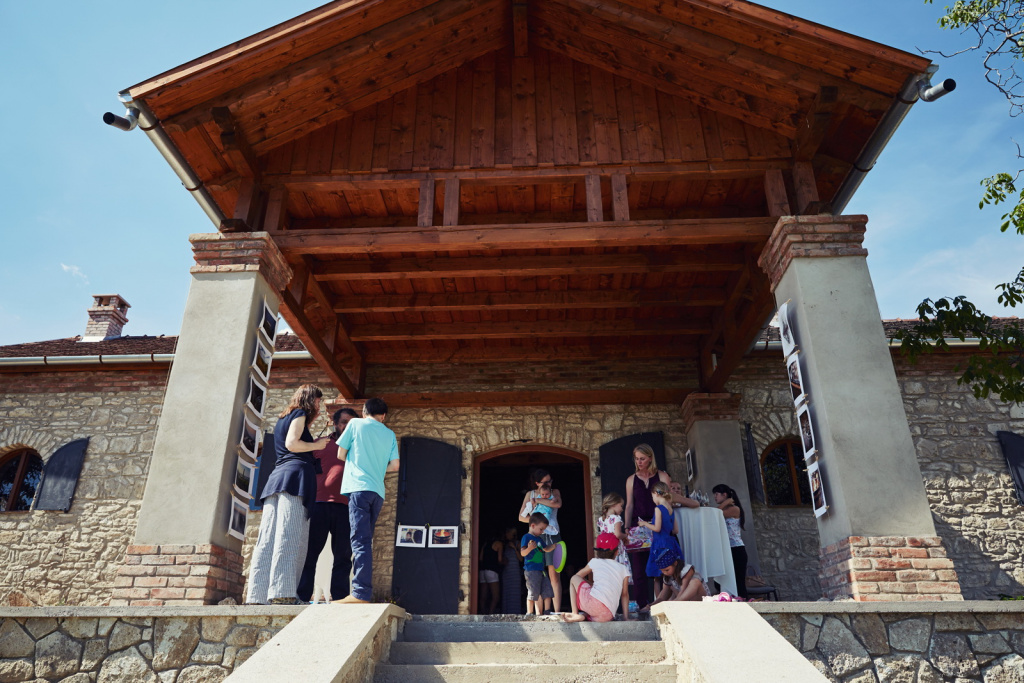
A real terroir winery, especially famous among the wine manufactories for its vineyard-selected dry products.
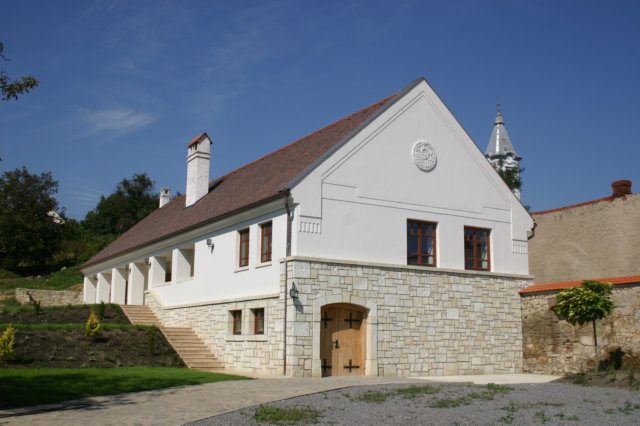
The soul of the vineyard is our hollow and brick wine cellar. We can proudly say that it is one of the most beautiful ones in the Tokaj area, both for its size and for its design.

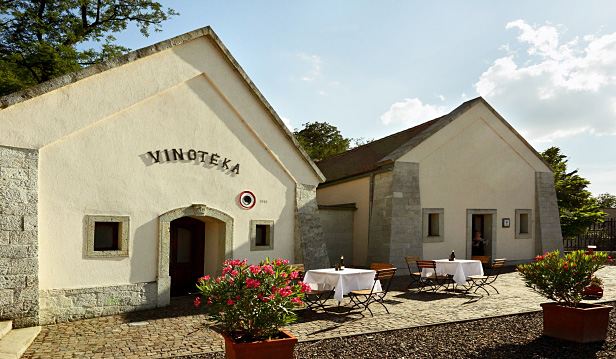
The Dereszla Winery is extraordinarily rich in history - so much, that it witnessed most of the big historical events of Hungary.
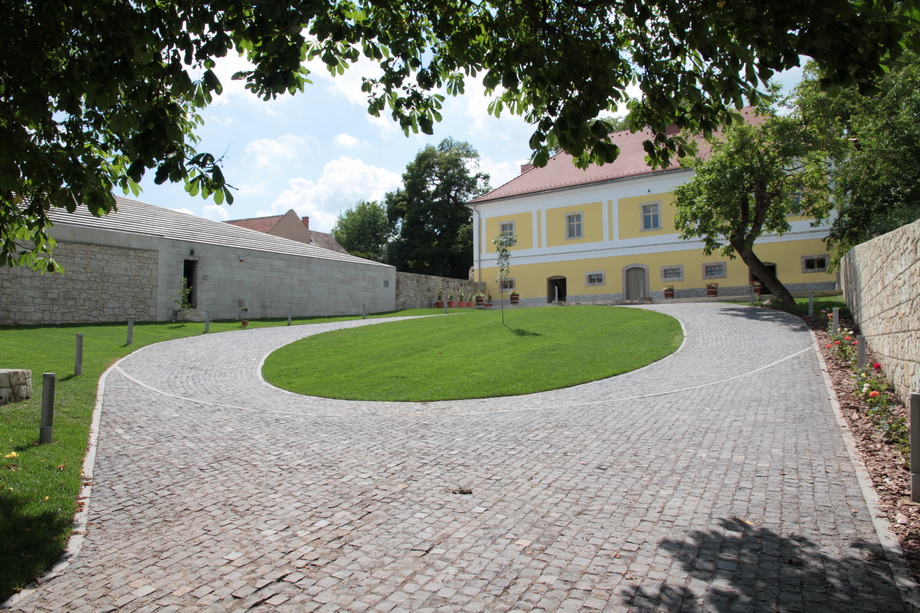
The beautifully renovated Baroque style mansion and winery from the 18th century is located in the centre of Bodrogkeresztúr.
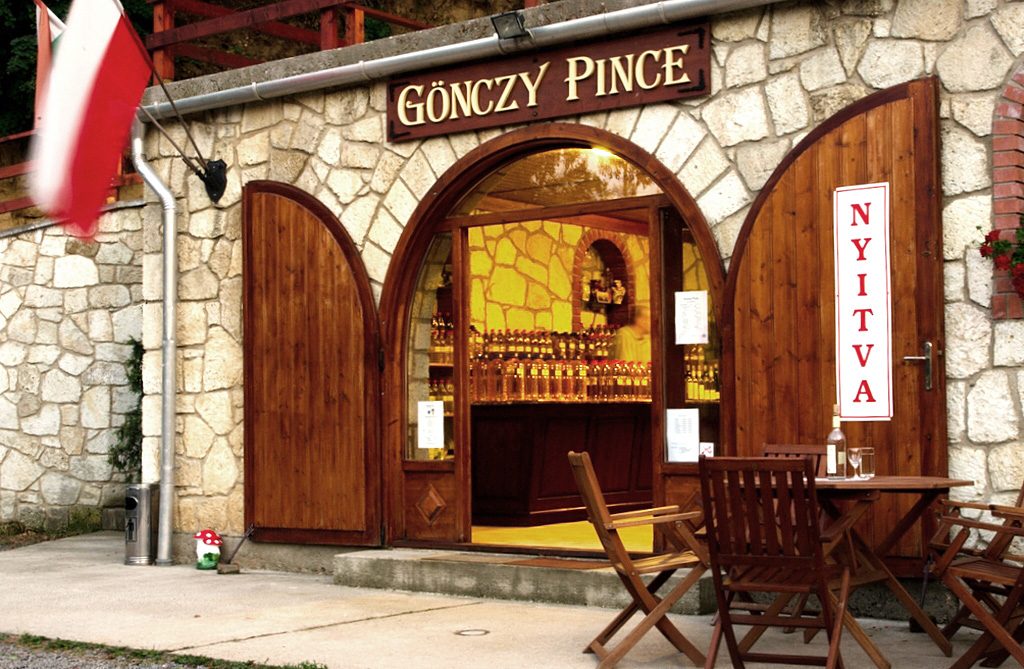
In our winery we are only producing wine made of self-grown Yellow Muscat and Furmint grapes. All our wines are aging in traditional oak barrels.
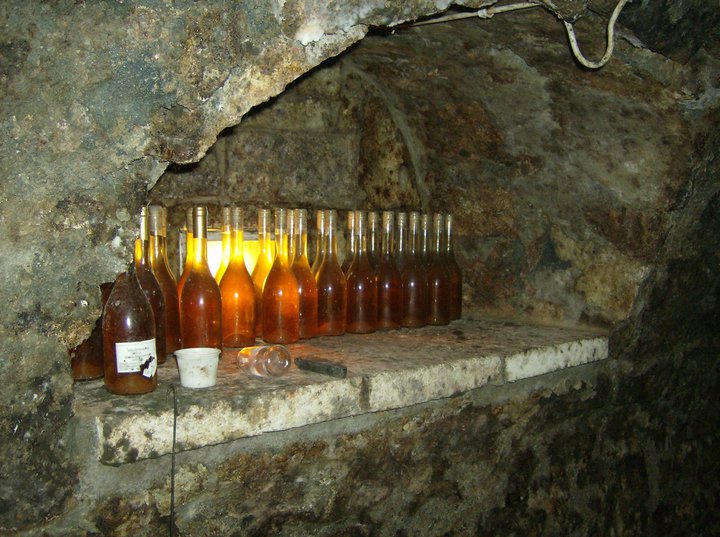
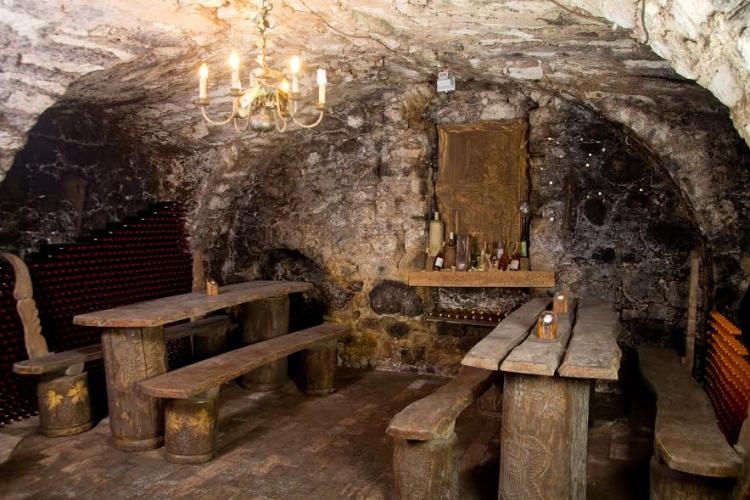
The common love and passion for the grape, the shared work, and the unique magic of the wine - these are the elements that contributed to the creation of this family winery.
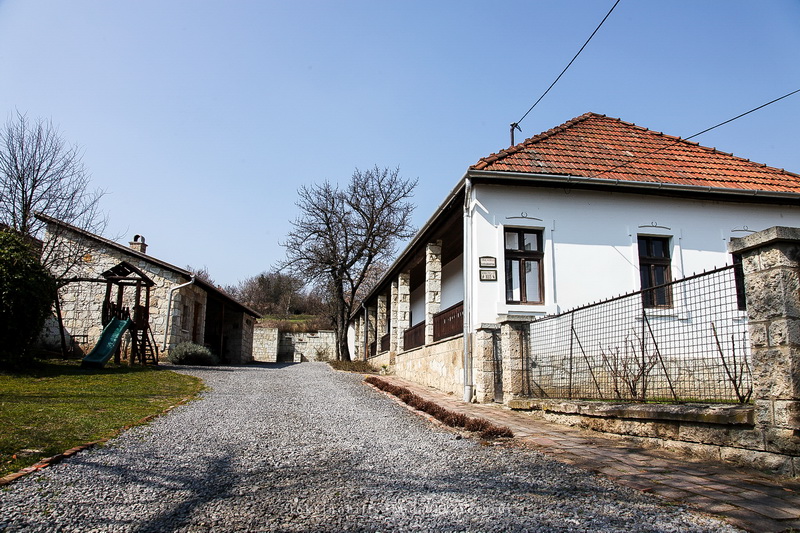
The family-founded Tokaj Nobilis Vineyard has been offering high quality, hand-made products ever since 2000.

The Tokajbor-Bene Winery is a family-run manufactory with hand-made products, in the heart of the Tokaj wine region.
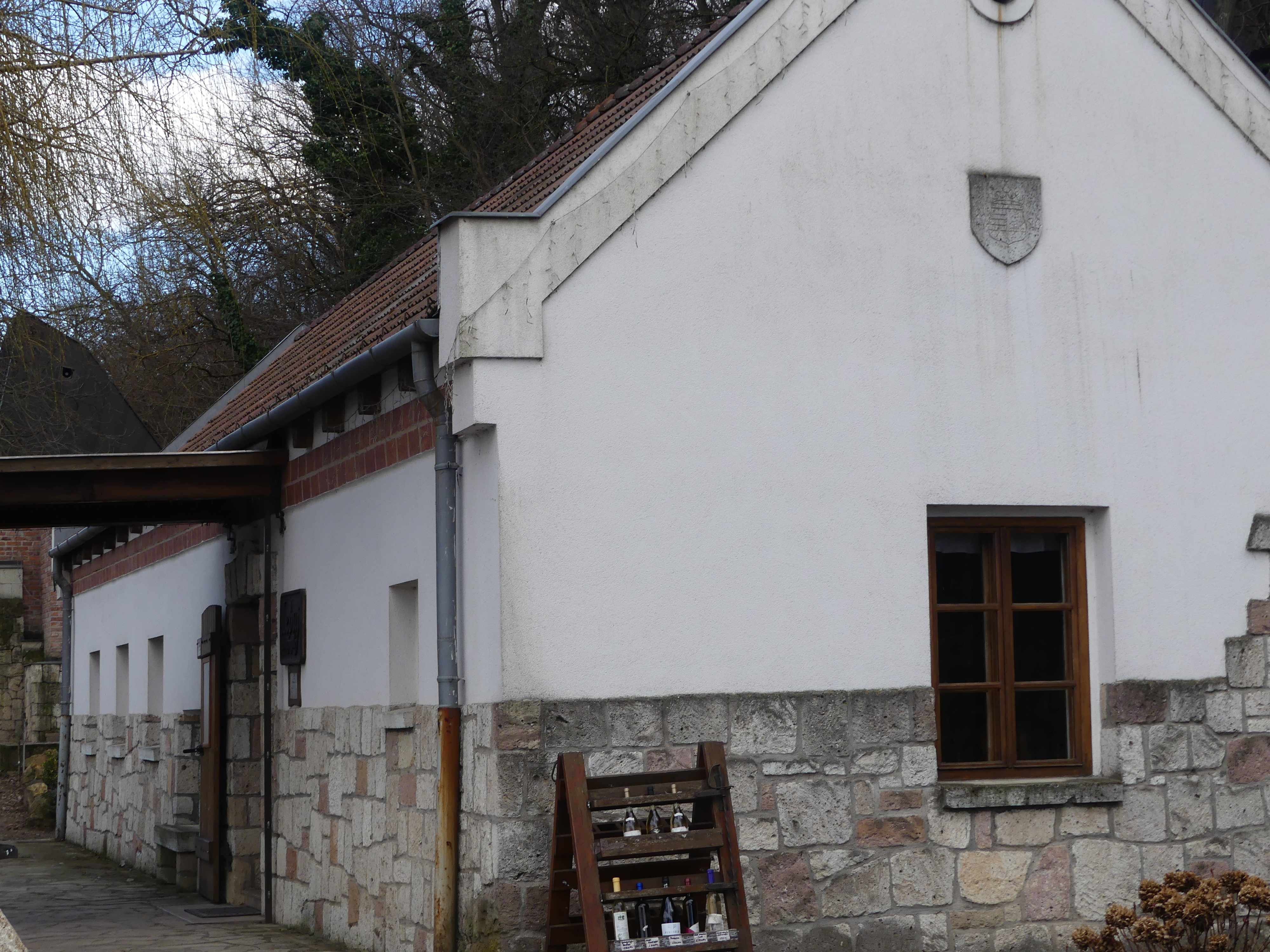
You can find the splendid dinery right next to where the Bodrog river bends. The Lebuj Inn also offers accommodation.